


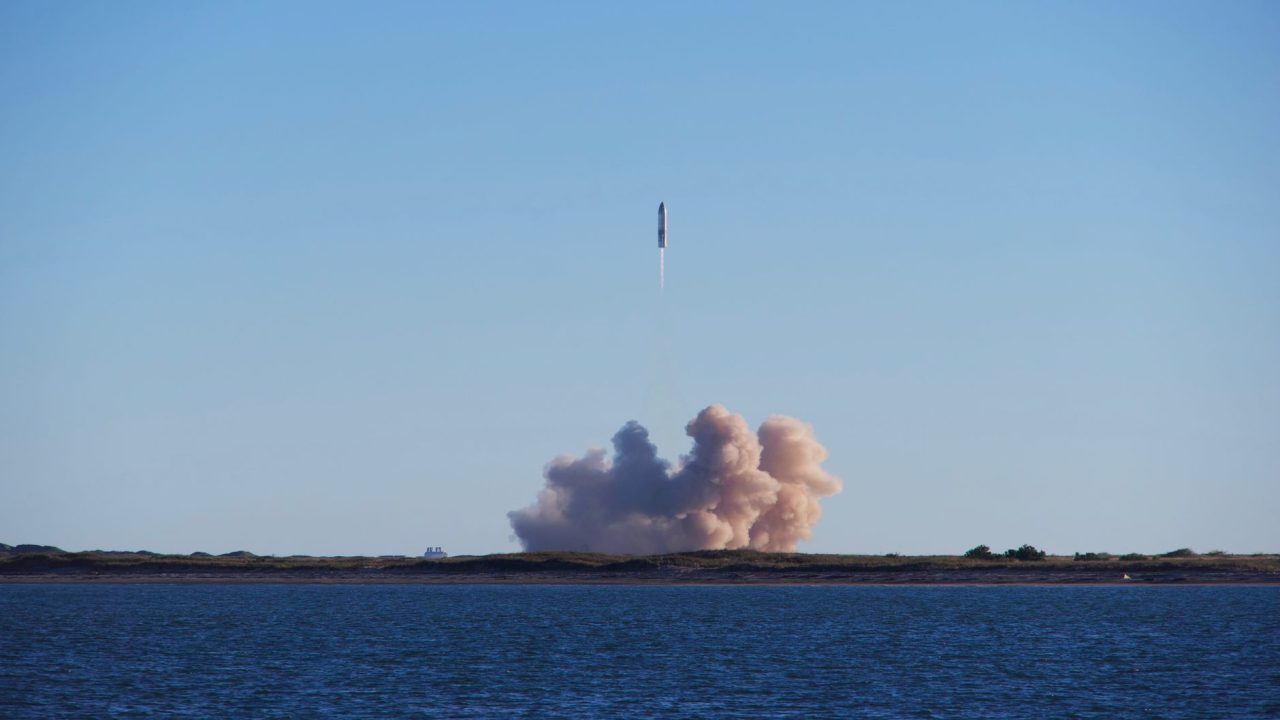



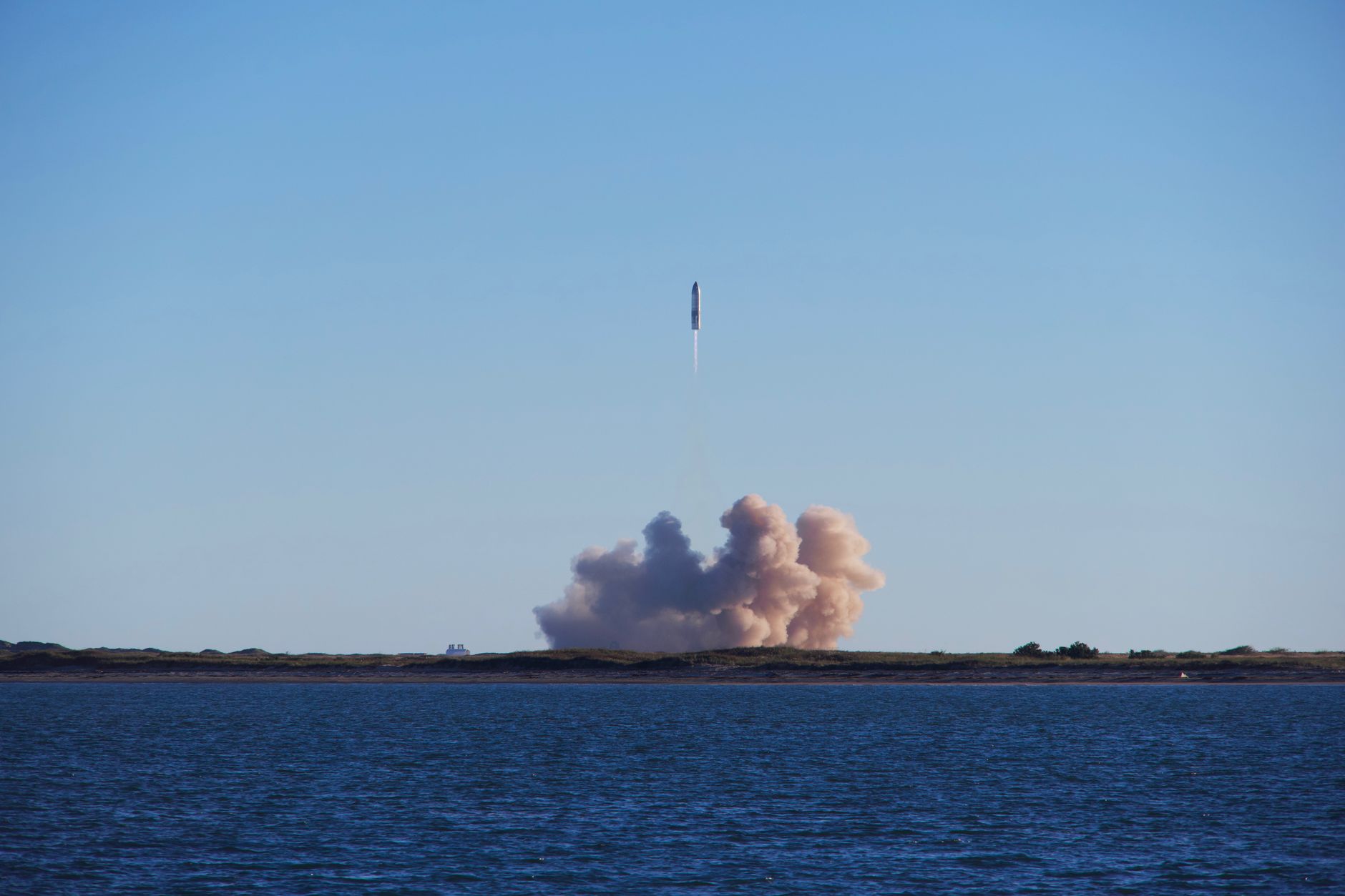
Rocket Lab Electron launch has reached an impressive milestone with its 100th successful mission. This achievement highlights Rocket Lab’s commitment to reliable space access.
Overview of Rocket Lab’s Achievements
Rocket Lab has made significant strides in the aerospace industry with its Electron launch vehicle, achieving remarkable milestones since its inception. The company recently celebrated the 100th launch of the Electron rocket, marking a major achievement in small satellite delivery.
Among its accomplishments, Rocket Lab has successfully deployed over 150 satellites into orbit, showcasing the reliability and efficiency of its launch services. This operational success has garnered attention from commercial and governmental entities alike, solidifying the Electron’s reputation as a trusted option for small satellite missions.
In its latest mission, the Electron rocket orbited a satellite for the QPS Institute, further demonstrating its capability in handling diverse payloads. As the company continues to refine its technology and expand its launch frequency, many industry experts are beginning to consider whether the Rocket Lab Electron launch could be the best proven rocket for small satellite deployment.
What Does the 100th Launch Mean for Rocket Lab?
The recent milestone of the 100th launch for Rocket Lab’s Electron rocket signifies a remarkable achievement in the small satellite launch industry. This event demonstrates not only the reliability of the Electron rocket but also Rocket Lab’s commitment to providing consistent access to space.
Achieving 100 launches highlights several key aspects:
- Proven Track Record: The Electron has established itself as a dependable vehicle for various payloads, including commercial and governmental satellites.
- Innovation: Rocket Lab has continuously refined its technology, incorporating lessons learned from each launch to enhance performance.
- Market Position: As more companies turn to small satellites, Rocket Lab’s Electron launch capability positions it as a leader in this growing market.
The success of the 100th launch reinforces the notion that Rocket Lab’s Electron is not just a viable option but potentially the best proven rocket for small satellite missions.
Rocket Lab Electron launch: A Closer Look at the Technology
The Rocket Lab Electron launch has gained significant attention due to its cutting-edge technology and reliability. Designed specifically for small satellite missions, the Electron rocket is known for its innovative features that set it apart in the competitive aerospace industry.
One of the standout aspects of the Electron rocket is its reusable first stage, which allows for cost-effective launches and reduces waste. Additionally, its rapid turn-around time between launches has made it an attractive option for satellite operators.
Key technologies that contribute to the Electron’s success include:
- Advanced composite materials that enhance durability and reduce weight.
- Electric pump-fed engines that provide efficient propulsion.
- Flexible payload options that cater to various mission requirements.
As Rocket Lab celebrates its 100th launch, the Electron rocket continues to demonstrate its status as one of the most proven rockets in the industry.
Impact of Small Satellites on the Aerospace Industry
The rise of small satellites has significantly transformed the aerospace industry, creating new opportunities and challenges. As the demand for low-cost, reliable access to space increases, companies like Rocket Lab have emerged as leaders in this niche market. The recent Rocket Lab Electron launch, which marked the company’s 100th flight, underscores the importance of small launch vehicles in meeting these needs.
Small satellites, often weighing less than 500 kilograms, are now pivotal for various applications, including:
- Earth observation for environmental monitoring and disaster response.
- Communications that enhance connectivity in remote areas.
- Scientific research to gather data on weather patterns and climate change.
This growing sector not only democratizes access to space but also drives innovation, prompting traditional aerospace companies to adapt and invest in smaller, more efficient launch systems.
Future Plans for Rocket Lab and Electron Rocket
As Rocket Lab celebrates the milestone of its 100th launch, the company has ambitious plans for the future of its Electron rocket. The successful deployment of QPS Institute’s SAR satellite not only showcases the rocket’s reliability but also sets the stage for expanding its capabilities.
Looking ahead, Rocket Lab aims to enhance the Electron launch vehicle by:
- Increasing payload capacity: Future upgrades may allow the Electron to carry larger and more complex payloads.
- Developing reusable technology: The company is exploring ways to recover and reuse components of the Electron, which could significantly reduce launch costs.
- Expanding service offerings: Rocket Lab plans to broaden its mission profile, catering to a diverse range of customers in both commercial and governmental sectors.
With these initiatives, Rocket Lab is poised to reinforce the Electron launch vehicle’s reputation as a leading choice in the small satellite launch market.
The Rocket Lab Electron launch has consistently demonstrated its reliability and efficiency in delivering small satellites to orbit. As more companies turn to the Rocket Lab Electron launch for their missions, its reputation as a leading choice in the small launch vehicle market continues to grow.
Photo by Forest Katsch on Pexels
Where this came from
- Smartphones launching November 2026: What are the best options?
- Claude Sheets launch: Is it the Best Spreadsheet Tool?
- Mineral Processing Facility: Proven Study Results by Boron One