



The Long March 7A rocket launch has been reported as a failure due to a flight anomaly. This incident raises questions about the reliability of recent space missions.
Overview of the Long March 7A mission
The Long March 7A rocket launch faced significant challenges during its recent mission, leading to an unexpected failure. This mission was part of China’s ongoing efforts to enhance its space capabilities, focusing on delivering payloads to low Earth orbit.
Launched from the Wenchang Space Launch Site in Hainan, the Long March 7A aimed to support various scientific and exploratory initiatives. However, shortly after liftoff, it encountered a flight anomaly that resulted in mission failure. This incident raises concerns regarding the reliability of the Long March 7A, which was designed to play a crucial role in China’s future space endeavors.
Key details surrounding the failure are still emerging, but the China National Space Administration has stated that it will conduct a thorough investigation. The outcome of this analysis may influence future launches and modifications to the Long March 7A program.
- Launch site: Wenchang, Hainan
- Mission objective: Low Earth orbit payload delivery
- Current status: Under investigation
Details about the flight anomaly
The Long March 7A rocket launch encountered a significant flight anomaly shortly after liftoff, leading to the mission’s failure. Reports indicate that the issue arose during the initial stage of the flight, which is crucial for the rocket’s trajectory and payload delivery.
According to sources, the anomaly was detected a few minutes into the ascent, triggering a series of automatic safety protocols. These measures are designed to protect both the rocket and its payload in the event of an emergency. Unfortunately, despite these precautions, the mission could not be salvaged.
The China National Space Administration (CNSA) has stated that an investigation is underway to determine the root cause of the failure. The Long March 7A rocket was intended to carry a payload that would enhance China’s capabilities in space.
As the agency analyzes the data, experts emphasize the importance of learning from this incident to ensure the success of future missions.
Impact of the launch failure on future missions
The failure of the Long March 7A rocket launch has raised significant concerns regarding the implications for future missions. With this incident, China faces potential delays in its ambitious space exploration plans, including crewed missions and satellite deployments.
Experts believe that this setback could lead to a reevaluation of the rocket’s design and operational protocols, potentially impacting timelines for upcoming launches. The Long March series has been instrumental in advancing China’s space capabilities, and ensuring reliability is crucial for maintaining public and international confidence.
Key areas of concern include:
- Redesigning components: Engineers may need to address specific design flaws that contributed to the failure.
- Increased testing: More rigorous testing phases could be implemented to prevent future anomalies.
- International collaborations: Potential partnerships may be sought to share knowledge and technology insights.
Overall, the Long March 7A rocket launch failure serves as a critical reminder of the challenges inherent in space exploration.
What is the Long March 7A rocket?
The Long March 7A rocket is a part of China’s ambitious space program, designed to enhance the capabilities of its space launch vehicles. With a focus on reliability and efficiency, this rocket is primarily utilized for deploying payloads into orbit, including satellites and other scientific instruments.
Developed from the Long March 7 family, the Long March 7A incorporates advanced technology aimed at improving performance and payload capacity. It features a two-stage design and is powered by a combination of kerosene and liquid oxygen, which offers better efficiency compared to previous models.
Despite its promising specifications, the recent launch has raised concerns about its reliability. The Long March 7A rocket launch aimed to demonstrate its capability in a critical mission, but the flight anomaly has highlighted potential vulnerabilities. Moving forward, engineers will need to address these issues to ensure the rocket meets its intended objectives in future missions.
Reactions from the China National Space Administration
The China National Space Administration (CNSA) has released a statement addressing the recent failure of the Long March 7A rocket launch. In their remarks, they expressed deep regret over the flight anomaly that occurred shortly after liftoff.
The CNSA emphasized their commitment to understanding the cause of the failure, stating:
- Thorough Investigation: “We are undertaking a comprehensive investigation to determine the root causes of the anomaly.”
- Future Missions: “Lessons learned from this incident will be crucial in ensuring the success of future missions.”
- Technological Enhancements: “We will prioritize technological advancements to enhance the reliability of our launch vehicles.”
Despite the setback, the CNSA reassured the public about their ongoing commitment to space exploration and development. They reiterated their belief in the importance of the Long March 7A rocket launch program for China’s aspirations in space.
Comparative analysis with previous rocket launches
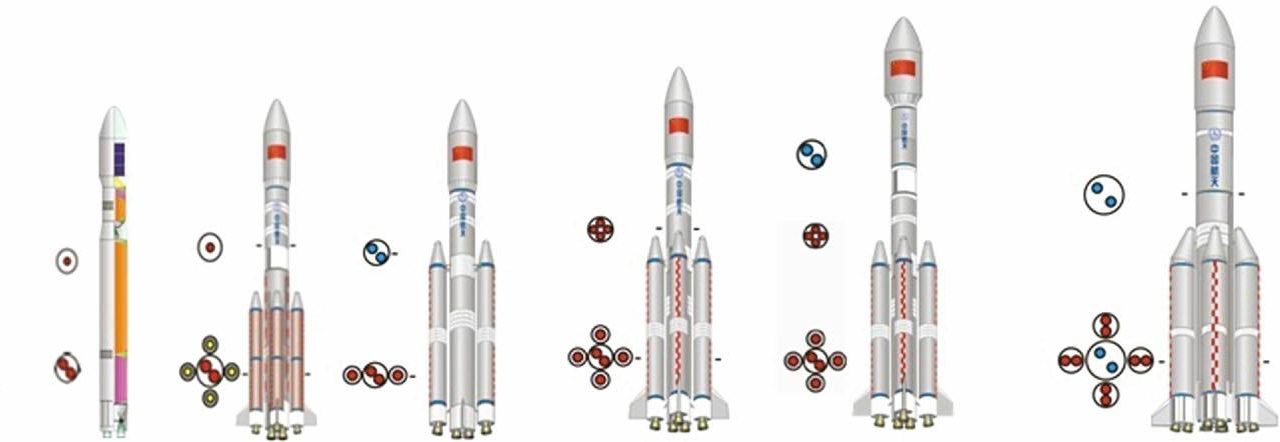
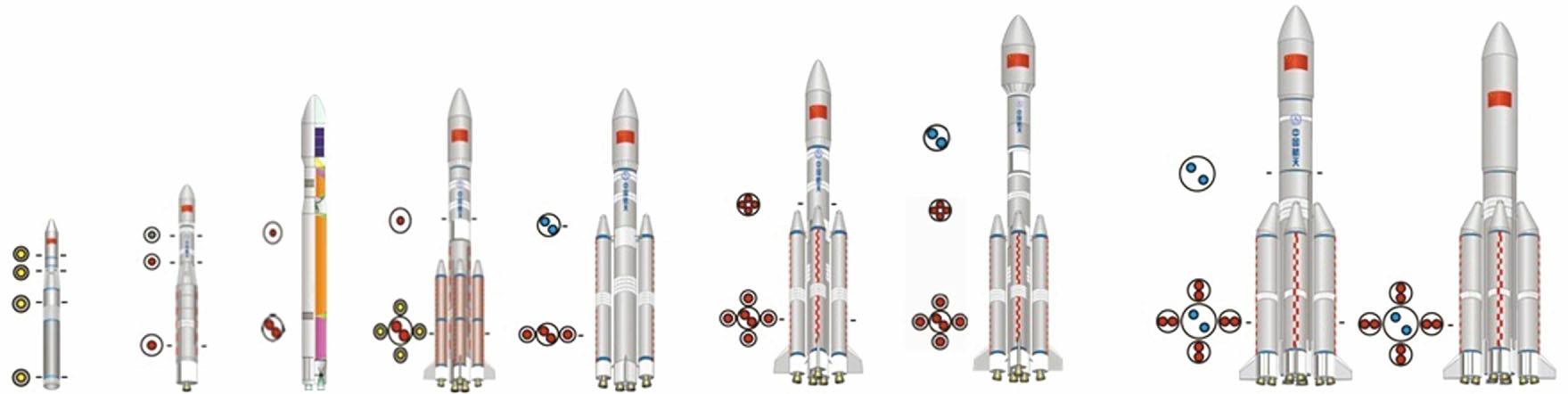
The recent Long March 7A rocket launch failure highlights significant differences compared to previous missions. Unlike the successful launches of the Long March 4B and Long March 5, which experienced smooth ascents and payload deployments, the Long March 7A encountered a critical flight anomaly that led to its failure.
In a comparative analysis, it is essential to note the following:
- Launch Frequency: The Long March 7A has had fewer launches, which may contribute to less accumulated data and experience.
- Technological Advancements: Previous models incorporated decades of refinement, while the Long March 7A is relatively new and may have untested elements.
- Payload Objectives: The objectives of the Long March 7A were more ambitious, possibly leading to increased stress during flight.
These factors combined suggest that while the Long March 7A rocket launch aimed for innovation, it also faced greater risks, reminiscent of earlier developmental phases in rocket technology.
Future of China’s space exploration efforts
The recent failure of the Long March 7A rocket launch has raised concerns regarding the future of China’s space exploration efforts. Despite this setback, experts believe that the country will continue to push forward with its ambitious space program.
China has made significant investments in its space technology, and the Long March family of rockets remains crucial for various missions, including satellite deployment and interplanetary exploration.
Moving forward, the China National Space Administration (CNSA) is expected to conduct thorough investigations to identify the root causes of the flight anomaly. Key considerations for the future include:
- Enhanced testing protocols: Improved pre-launch checks may help mitigate risks.
- Innovation and development: Continued advancements in rocket technology will be essential.
- International collaboration: Partnerships with other space agencies could foster knowledge exchange.
Ultimately, while the Long March 7A rocket launch failure is a setback, it will not deter China’s long-term objectives in space exploration.
By Xiaojun Wang, China Academy of Launch Vehicle Technology via Openverse
Read the original
Related reading
- Apple MacBook Pro M6: The Best Laptop with Proven AI Boost
- Samsung Galaxy M54 update: Best Simple Guide to One UI 9.0
- Meatpacking Grants Announcement: Proven Support for Workers