






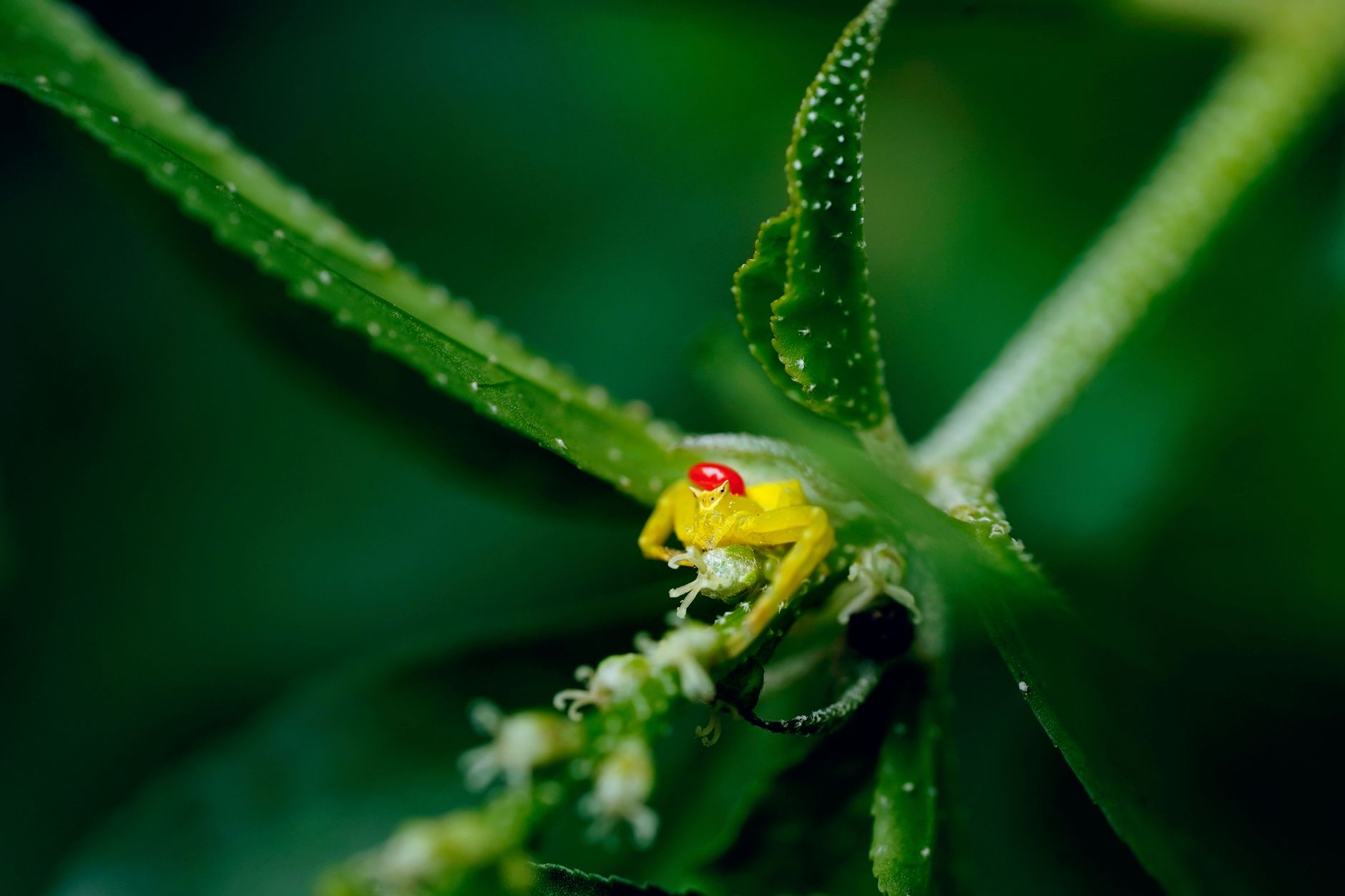
red-eyed sea spiders have been discovered in the Salish Sea, marking an exciting find for marine biologists. These unique creatures are shedding light on the complexities of ocean ecosystems.
What are red-eyed sea spiders?
Red-eyed sea spiders, known scientifically as Pycnogonida, are intriguing marine arthropods characterized by their unique appearance and adaptations. These creatures typically inhabit cold ocean waters and are often found in depths ranging from shallow coastal areas to deeper oceanic zones.
One of the most striking features of red-eyed sea spiders is their long, spindly legs, which can be several times the length of their bodies. This adaptation not only aids in locomotion but also helps them navigate through their complex environments, often consisting of seaweed and coral. Their distinctive red eyes are another notable characteristic that sets them apart from other marine species.
In recent discoveries, hairy-legged red-eyed sea spiders have been identified in the Salish Sea, showcasing the biodiversity in this region. These findings have sparked interest among marine biologists and ecologists, who are eager to learn more about the ecological roles these fascinating creatures play in their habitats.
- Habitat: Cold ocean waters
- Adaptations: Long legs and red eyes
- Significance: Biodiversity in marine ecosystems
Significance of the discovery
The discovery of red-eyed sea spiders in the Salish Sea marks a significant milestone in marine biology. These unique creatures, known for their distinctive appearance and ecological role, provide insight into the biodiversity of the region. The presence of hairy-legged red-eyed sea spiders suggests a healthier marine ecosystem, as they inhabit areas rich in prey and nutrients.
Researchers believe that understanding the habits and habitats of these sea spiders can aid in conservation efforts. As indicators of environmental change, red-eyed sea spiders can help scientists monitor the health of marine ecosystems. Furthermore, studying their adaptations may lead to breakthroughs in various fields, including biomimicry and environmental science.
Additionally, this discovery underscores the importance of protecting the Salish Sea. As threats from climate change and pollution increase, preserving such unique species becomes crucial. The red-eyed sea spiders not only enhance our understanding of marine life but also remind us of the delicate balance within oceanic ecosystems.
Habitat of sea spiders
The habitat of the red-eyed sea spiders is as intriguing as the creatures themselves. These remarkable animals thrive in the cold, nutrient-rich waters of the Salish Sea, an area known for its diverse marine life. Researchers have identified several key environmental factors that contribute to the suitability of this habitat.
- Temperature: The relatively stable and cool water temperatures of the Salish Sea create an ideal environment for these sea spiders.
- Substrate: The presence of rocky and sandy substrates allows red-eyed sea spiders to anchor themselves and find shelter from predators.
- Food Availability: An abundant supply of small invertebrates serves as a crucial food source, supporting the dietary needs of these unique creatures.
- Oxygen Levels: High oxygen levels in the waters of the Salish Sea promote healthy ecosystems, essential for the survival of the red-eyed sea spiders.
Understanding the habitat of these fascinating sea spiders is vital for ongoing conservation efforts and highlights the importance of protecting the Salish Sea’s delicate marine ecosystems.
Impact on marine ecosystems
The recent discovery of red-eyed sea spiders in the Salish Sea has significant implications for marine ecosystems. These unique creatures play a crucial role in maintaining the balance of their habitats. As predators, red-eyed sea spiders help regulate the populations of smaller marine organisms, contributing to the health of the ecosystem.
Additionally, their presence indicates a thriving environment, as these sea spiders are sensitive to changes in water quality and temperature. This makes them valuable bioindicators for scientists monitoring the health of the Salish Sea.
Furthermore, red-eyed sea spiders interact with various species, forming complex food webs. Their diet primarily consists of small invertebrates, and by preying on these organisms, they influence the distribution and abundance of other marine life.
In summary, the introduction of red-eyed sea spiders into the Salish Sea ecosystem could enhance biodiversity, promote ecological stability, and offer insights into environmental changes, making their study essential for understanding marine dynamics.
Research methods used
The research team employed a variety of methods to study the newly discovered red-eyed sea spiders in the Salish Sea. These methods included both fieldwork and laboratory analyses to gain a comprehensive understanding of the species.
Fieldwork involved:
- Sampling Techniques: Researchers utilized benthic sleds to collect specimens from the sea floor, ensuring a representative sample of the habitat.
- Diving Expeditions: Divers conducted observational studies to document the behavior and interactions of red-eyed sea spiders within their natural environment.
In the laboratory, the team focused on:
- Molecular Analysis: Genetic sequencing was performed to distinguish the red-eyed sea spiders from other related species.
- Behavioral Studies: Controlled experiments were designed to observe the feeding habits and reproductive behaviors of the red-eyed sea spiders.
These combined approaches allowed researchers to gather critical data, enhancing our understanding of this unique species and its role in the ecosystem.
Future studies on sea spiders
Future studies on red-eyed sea spiders are essential to deepen our understanding of their biology and ecological roles in the Salish Sea. Researchers plan to explore various aspects of these unique creatures, including their reproductive behaviors, feeding habits, and interactions with other marine species.
Key areas of focus for future research include:
- Population dynamics: Understanding how red-eyed sea spiders interact with their environment and the factors influencing their populations.
- Genetic studies: Investigating the genetic diversity among populations to assess their adaptability to changing marine conditions.
- Ecological impact: Evaluating how these sea spiders affect the overall health and balance of marine ecosystems.
- Climate change effects: Monitoring how shifts in ocean temperatures and acidity levels may influence the distribution and behavior of red-eyed sea spiders.
By addressing these research areas, scientists hope to uncover crucial insights into the life cycles and challenges faced by red-eyed sea spiders, ultimately contributing to marine conservation efforts.
Public interest in marine life
The recent discovery of red-eyed sea spiders in the Salish Sea has sparked a growing public interest in marine life, particularly among local communities and environmental enthusiasts. As awareness of these unique creatures increases, individuals are becoming more engaged in marine conservation efforts.
Local schools and community organizations have begun organizing educational programs that focus on marine biodiversity, which includes the intriguing red-eyed sea spiders. These initiatives aim to foster a deeper understanding of the delicate ecosystems in the Salish Sea and the importance of preserving them.
Moreover, social media platforms are buzzing with images and information about these fascinating sea creatures. Enthusiasts are sharing their findings and experiences, which has led to a surge in citizen science projects. Participants are encouraged to document their observations and contribute to ongoing research.
This newfound interest not only highlights the beauty of marine life but also emphasizes the need for sustainable practices to protect these habitats. The red-eyed sea spiders may serve as a catalyst for increased environmental awareness and action in the region.
Photo by Ankit Rainloure on Pexels
Where this came from
- Is the Vivo S2 FE the Best Phone with a 10,000mAh Battery?
- AI models launch: What are the best new options?
- thSLVR silver token: Best Proven Investment Opportunity