

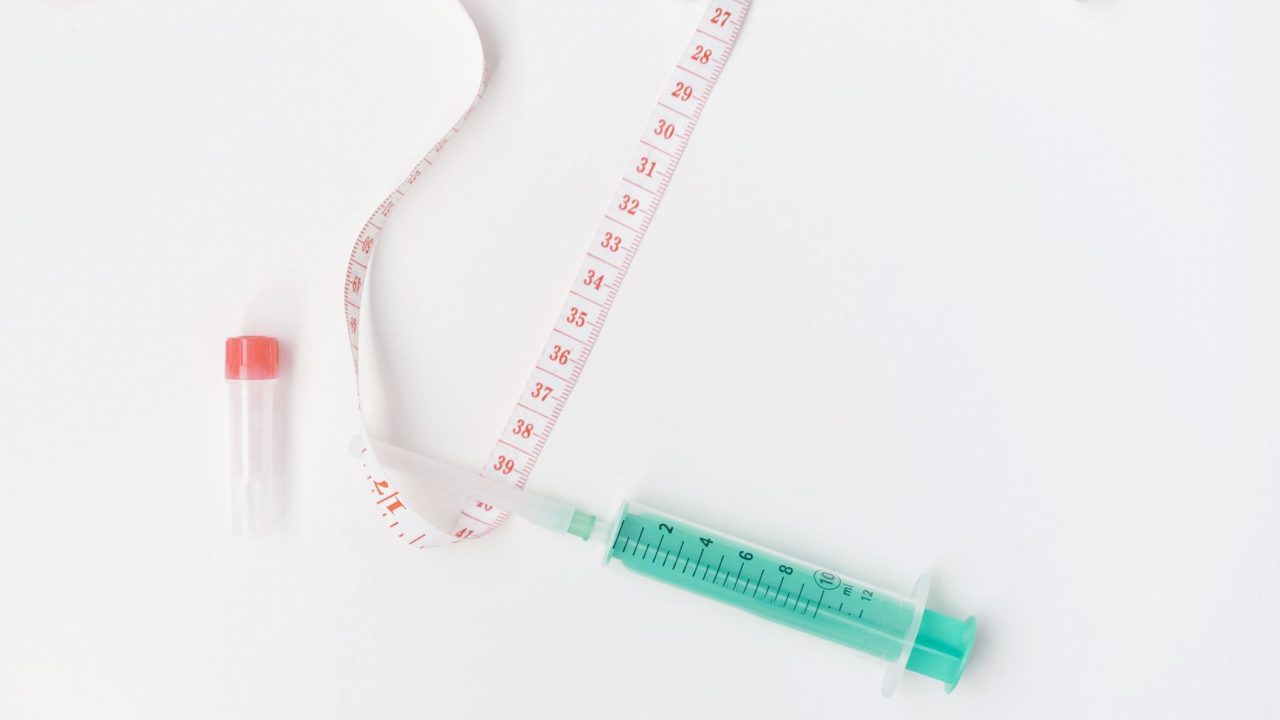





medical products regulation is becoming a priority in Hong Kong as the government gazettes a new bill aimed at enhancing oversight. This initiative seeks to ensure the safety and efficacy of medical products in the region.
Overview of the New Bill
The recent proposal in Hong Kong aims to enhance medical products regulation through the establishment of a dedicated Centre for Medical Products Regulation. This initiative is designed to address increasing concerns about the safety and efficacy of medical products available in the market.
The new bill outlines several key objectives:
- Creation of a regulatory body: The Centre will oversee the approval and monitoring of medical products, ensuring they meet stringent safety standards.
- Improved transparency: The legislation mandates that manufacturers provide detailed information about their products, including clinical trial data.
- Strengthened enforcement: The Centre will have the authority to conduct inspections and enforce compliance among medical product suppliers.
- Public engagement: The bill emphasizes the importance of involving the public in discussions regarding the safety of medical products.
This move reflects a growing recognition of the need for robust medical products regulation to protect consumers and promote public health. As the bill progresses through the legislative process, stakeholders across the healthcare sector are encouraged to participate in shaping a more secure framework for medical product oversight.
Importance of Medical Product Oversight
The importance of medical product oversight cannot be overstated, especially in a rapidly evolving healthcare landscape. As new technologies and therapies emerge, the need for stringent regulation becomes even more critical. Effective medical products regulation ensures that only safe and effective products reach the market, protecting public health and instilling confidence in healthcare systems.
One of the primary roles of regulatory bodies is to assess the safety and efficacy of medical products before they can be made available to the public. This process involves rigorous testing and evaluation, which can help to:
- Prevent Harm: By ensuring that harmful products are not approved for use.
- Promote Quality: By establishing standards that manufacturers must meet.
- Enhance Innovation: By providing a clear pathway for new products to enter the market while maintaining safety standards.
In light of recent developments, such as the establishment of a dedicated centre for medical products regulation, there is hope that oversight will be strengthened. This approach not only aims to protect consumers but also enhances the credibility of medical products in Hong Kong and beyond.
How Will the Regulation Work?
The new bill outlines a comprehensive framework for the regulation of medical products aimed at ensuring their safety and efficacy. Under the proposed system, a centralized authority will be established to oversee the entire lifecycle of medical products, from development through to market entry and post-market surveillance.
The regulation will operate through several key components:
- Pre-market Evaluation: All medical products will undergo rigorous assessments before they can be approved for public use. This process will involve thorough clinical trials and reviews of manufacturing practices.
- Continuous Monitoring: Once products are on the market, the regulatory body will conduct ongoing evaluations to monitor safety issues and adverse effects, ensuring that any risks are promptly addressed.
- Risk Management Strategies: Implementing proactive risk management strategies will help identify potential safety concerns early, allowing for timely interventions.
- Stakeholder Engagement: The regulation will encourage collaboration between manufacturers, healthcare professionals, and consumers to enhance the overall safety framework.
Through these measures, the regulation aims to build public confidence in medical products while ensuring that safety remains the top priority.
Potential Impact on Healthcare
The introduction of the new bill to enhance medical products regulation in Hong Kong is set to have a significant impact on the healthcare landscape. By establishing a dedicated Centre for Medical Products Regulation, the government aims to streamline the approval processes for medical devices and pharmaceuticals, ensuring that only safe and effective products reach the market.
One of the potential benefits of this regulatory framework includes:
- Increased Patient Safety: By implementing stringent testing and approval protocols, the likelihood of adverse effects from faulty products may decrease.
- Boosted Public Trust: Greater transparency in the regulatory process can enhance public confidence in the safety of medical products.
- Encouragement of Innovation: A clearer regulatory pathway may encourage companies to invest in research and development of new medical technologies.
- Global Competitiveness: Aligning with international standards could open up new markets for Hong Kong-based medical product manufacturers.
However, challenges remain in balancing regulation with the need for timely access to new medical products. Stakeholders must navigate these complexities to truly enhance healthcare outcomes.
Future of Medical Products in Hong Kong
The future of medical products in Hong Kong appears to be shifting towards a more robust regulatory framework. With the introduction of the new bill, the establishment of a dedicated Centre for Medical Products Regulation is set to enhance oversight significantly. This initiative aims to ensure that medical products meet stringent safety and efficacy standards before reaching the market.
Stakeholders in the healthcare sector, including manufacturers and healthcare professionals, are closely monitoring these developments. They recognize that effective medical products regulation could lead to increased public trust in healthcare systems. Furthermore, it may foster innovation by providing a clear pathway for new products to enter the market while ensuring consumer safety.
However, challenges remain. The implementation of this regulatory framework will require collaboration between various government departments and industry players. Additionally, ongoing training and education will be essential to keep healthcare professionals informed about new regulations and standards.
- Increased public trust in medical products.
- Clear pathways for innovation.
- Collaboration between government and industry.
As the landscape evolves, stakeholders hope that the regulation will strike a balance between safety and accessibility, ultimately benefiting patients across Hong Kong.
Photo by Mikhail Nilov on Pexels
Sources
- Nvidia CEO resignation: Shocking fallout from affair scandal
- Xiaomi Watch S5 Features: Best Smartwatch for Tech Lovers
- Is the NASA UVEX Telescope the Best Space Innovation of 2030?