


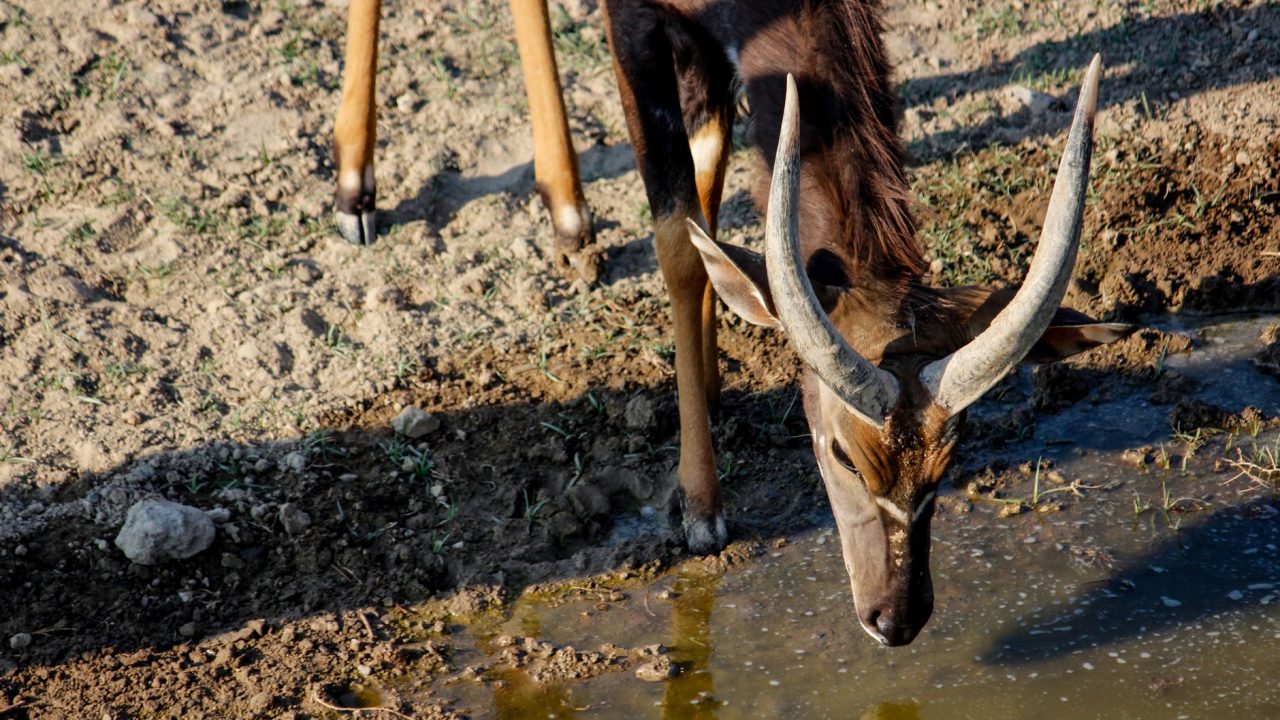



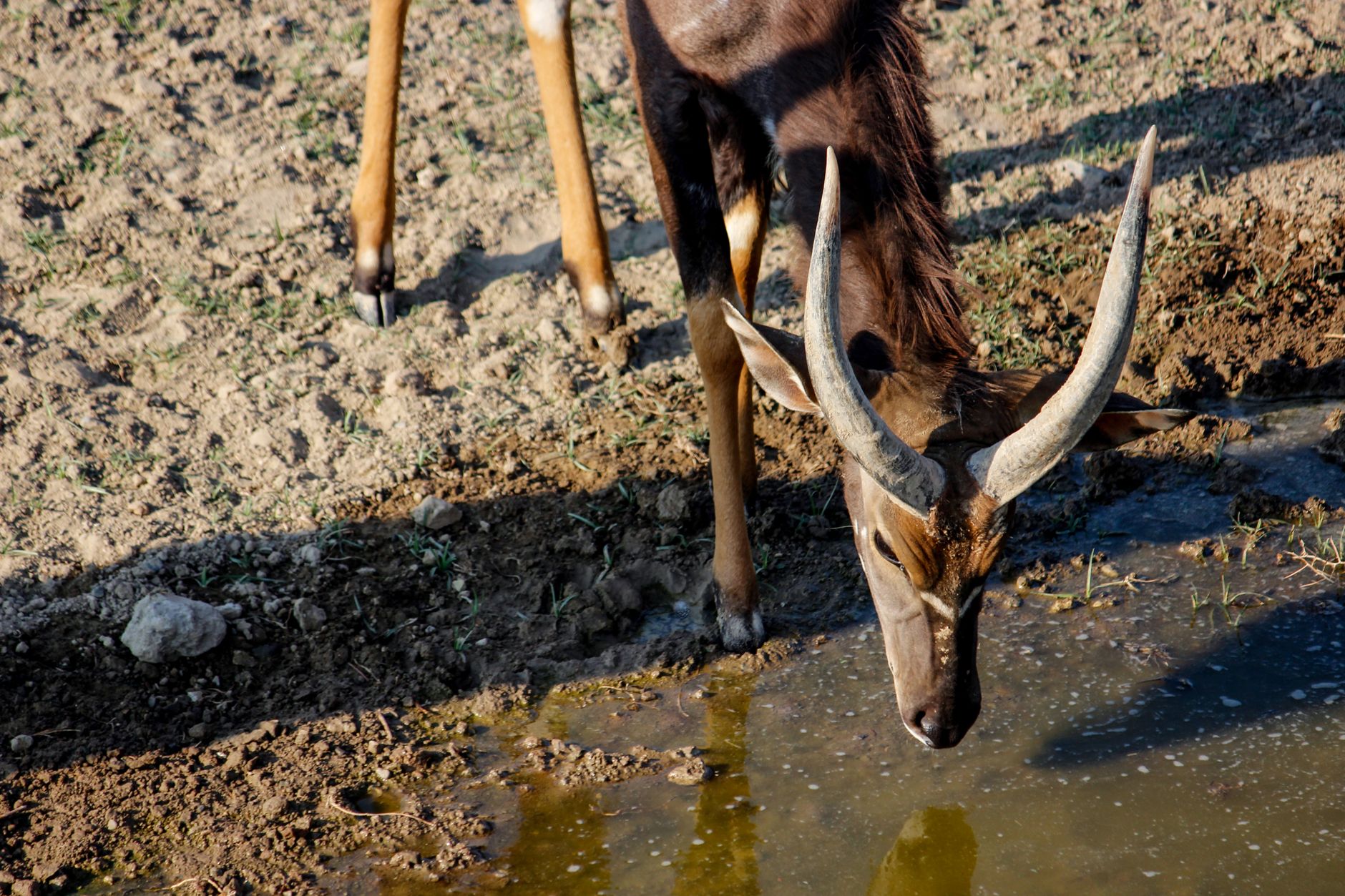
Maval watering holes have recently become a focal point as cameras capture unusual activity. The forest department plans to implement recharge efforts starting in February.
Overview of Maval watering holes
The Maval watering holes have become a focal point for wildlife activity in recent months. These vital sources of water serve not only the local fauna but also play a crucial role in the ecological balance of the region. The forest department has been closely monitoring these areas, particularly after recent camera captures showed various species approaching the watering holes.
Among the species observed are:
- Deer
- Wild boars
- Birds
- Smaller mammals
While the Maval watering holes are essential for sustaining wildlife, concerns have arisen regarding their long-term safety and the potential impact of human activity nearby. The forest department is planning a recharge initiative starting in February, aimed at ensuring these water sources remain abundant and uncontaminated.
Efforts are underway to create a sustainable environment that protects both the wildlife and the delicate ecosystem surrounding the Maval watering holes. Community involvement will be vital in maintaining these natural resources.
Impact of human activity on wildlife
The Maval watering holes, vital for local wildlife, are increasingly affected by human activity. As urban development expands and tourism rises, the delicate balance of this ecosystem is under threat.
Several factors contribute to the negative impact on wildlife:
- Pollution: Runoff from nearby roads and developments can contaminate the water, making it unsafe for animals.
- Disturbance: Increased foot traffic and noise from visitors can scare away wildlife, disrupting their natural behaviors.
- Resource Competition: As more people frequent these areas, wildlife may struggle to access essential resources like water and food.
It is crucial to consider the implications of human presence near Maval watering holes. With the forest department planning to implement recharge initiatives, the focus should also be on mitigating adverse human impacts. Sustainable practices can help ensure that these watering holes remain a safe haven for wildlife and continue to support the rich biodiversity of the region.
Forest department’s recharge plans
The forest department is gearing up to implement a series of recharge plans aimed at enhancing the sustainability of Maval watering holes, crucial habitats for local wildlife. With increasing human activity in the region, these efforts are vital to ensure that the ecological balance is maintained.
According to officials, the recharge plans will begin in February and are expected to last for two months. This initiative will focus on:
- Monitoring wildlife activity near the watering holes using camera traps to gather data on species that rely on these resources.
- Restoring natural water flow by clearing debris and ensuring the watering holes remain accessible to animals.
- Implementing protective measures to minimize the impact of human interference, thereby safeguarding the habitats.
By addressing these critical areas, the forest department hopes to not only protect the wildlife that depends on the Maval watering holes but also promote a healthier ecosystem for the future.
Camera surveillance findings
Recent camera surveillance findings near Maval watering holes have revealed a concerning trend in wildlife activity. The footage captured over the past few months indicates that various species are increasingly frequenting these water sources, which raises questions about their safety and accessibility.
Among the animals observed are:
- Deer – often seen grazing nearby and approaching the water.
- Bears – their presence signals potential competition for resources.
- Birds – numerous species were spotted drinking and bathing.
However, the cameras also documented instances of human interference, including littering and disturbances from nearby vehicles. Such activities can create a hostile environment for the wildlife that relies on these Maval watering holes. The forest department is aware of the situation and plans to implement recharge strategies starting in February to mitigate the negative impact of human activity. The ongoing surveillance will be crucial in assessing the effectiveness of these measures and ensuring the safety of wildlife in this vital ecosystem.
Community response to changes
The community response to changes around the Maval watering holes has been mixed, with residents expressing both concern and hope for the future. Many locals have observed a shift in wildlife activity, attributing it to the recent human interventions and increased surveillance.
Some community members have voiced their worries about the safety of wildlife near the Maval watering holes, emphasizing the need for balanced measures that protect both animals and their natural habitats. They argue that while human presence can sometimes be beneficial, it can also disrupt the delicate ecosystem.
On the other hand, several residents are optimistic about the forest department’s recharge plans starting in February. They believe these efforts could enhance the water quality and availability for local wildlife, fostering a healthier environment.
- Concern: Increased human activity may disrupt wildlife.
- Hope: Recharge plans could improve conditions for animals.
- Call to action: Community engagement is essential for effective conservation.
As discussions continue, the fate of Maval watering holes remains a topic of significant interest and concern among local residents.
Benefits of water recharge
The Maval watering holes serve as crucial resources not only for wildlife but also for the surrounding ecosystem. They play a significant role in water recharge, benefiting both flora and fauna in the region. With the advent of the forest department’s plans to enhance these water sources, several advantages are anticipated.
- Increased Biodiversity: The recharge of Maval watering holes is expected to attract a wider variety of species, promoting healthier ecosystems.
- Improved Soil Health: Adequate water supply from these holes aids in maintaining soil moisture, which is essential for plant growth and stability.
- Wildlife Preservation: By ensuring a steady supply of water, these watering holes help in sustaining local wildlife populations, reducing the risk of dehydration and competition for resources.
- Community Engagement: As local residents see improvements in wildlife activity, there may be increased support for conservation efforts and responsible tourism.
Ultimately, the recharge of the Maval watering holes holds the potential for a more balanced and thriving ecosystem, benefiting both wildlife and the local community.
Future of Maval ecosystem
The future of the Maval ecosystem heavily relies on the management and safety of its watering holes. These essential sources of water not only support the diverse wildlife but also play a crucial role in maintaining ecological balance. As the forest department implements recharge plans, it is vital to monitor how these changes affect both the flora and fauna in the region.
Recent camera surveillance has indicated a range of wildlife activity near Maval watering holes, showcasing their importance as habitats. However, concerns remain regarding the potential disturbance caused by increased human presence in the area. Many local communities have expressed their desire to protect these vital resources while balancing their needs.
Experts advocate for a collaborative approach involving local stakeholders to create a sustainable management plan. This includes educating the community about the significance of conserving Maval watering holes and ensuring their safety for wildlife. With careful planning and cooperation, the Maval ecosystem can thrive, benefiting both its natural inhabitants and the surrounding community.
Photo by Sami Aksu on Pexels
Where this came from
You might also like
- Bengal inter-university transfer Bill: Wrong Concerns Raised
- Microsoft Decision 1: The Best Quick AI Model for Decisions
- Children’s mental health: Proven ways India’s schools can help