

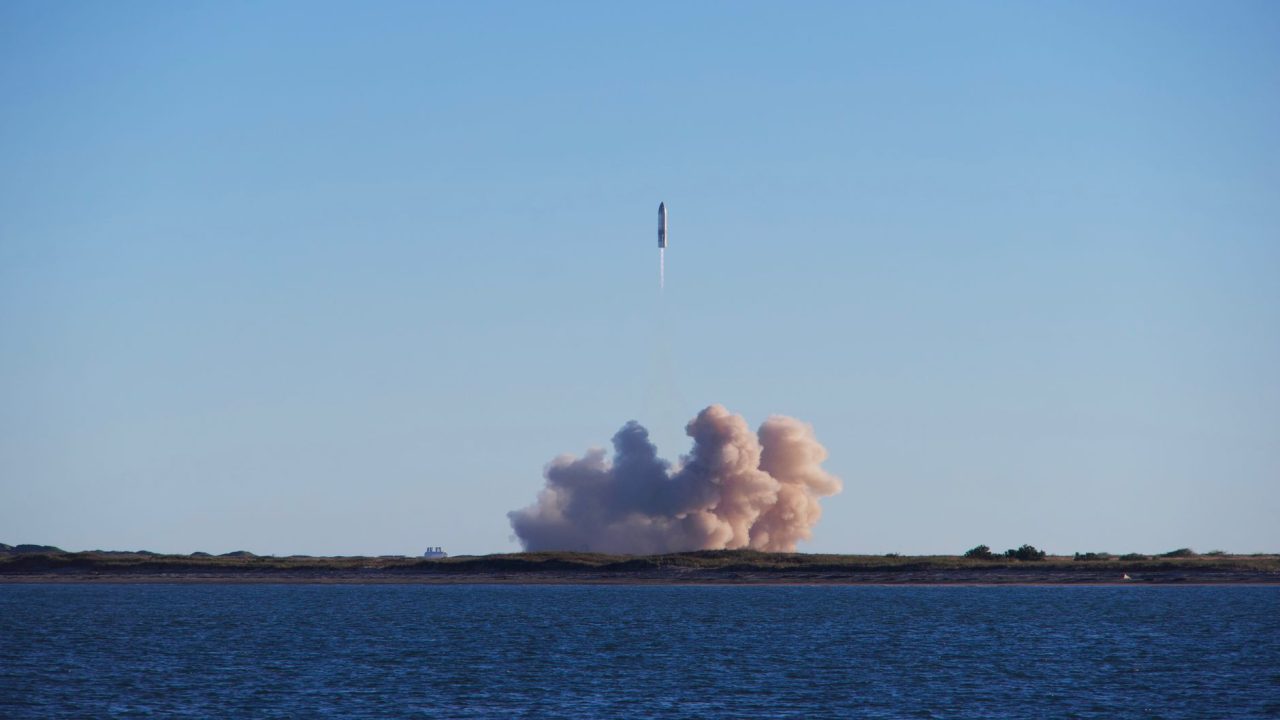




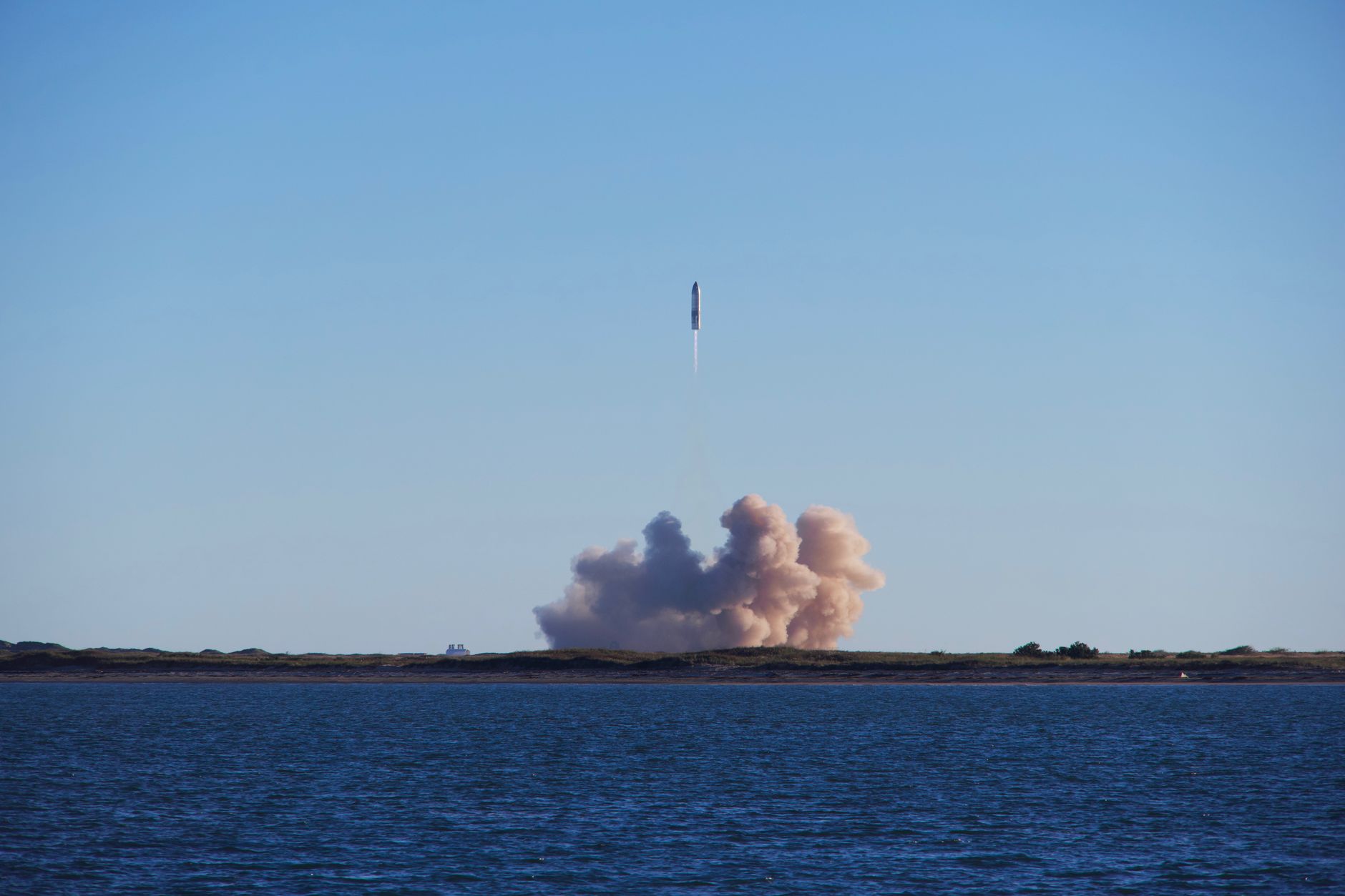
KSLV-II Nuri launch successfully established communication with 9 CubeSats, showcasing the advancements in satellite technology and two-way communication systems.
Overview of the KSLV-II Nuri Launch
The KSLV-II Nuri launch has marked a significant milestone in the realm of space exploration and satellite communication. This fifth launch of the KSLV-II Nuri rocket has successfully established communication links with a total of nine CubeSats, demonstrating the effectiveness and reliability of South Korea’s launch vehicle technology.
During the mission, six of the nine CubeSats achieved two-way communication links, a critical requirement for satellite operations. The successful establishment of these links not only showcases the capabilities of the KSLV-II Nuri but also enhances the potential for future satellite missions.
The KSLV-II Nuri is designed to deliver payloads to a range of orbits, making it a versatile asset for various scientific and commercial applications. The latest launch is a testament to the rigorous testing and development that has gone into the rocket’s design, ensuring it can meet the demands of modern space technology.
As the space industry continues to evolve, the successful communication established during this launch is expected to contribute to advancements in satellite technology and mission success rates. This achievement reinforces South Korea’s position in the global space community and paves the way for future scientific endeavors.
In summary, the KSLV-II Nuri launch has proven to be a resounding success, solidifying its role as a reliable launch vehicle for critical space missions.
Significance of Two-Way Communication in Space
The significance of two-way communication in space cannot be overstated, especially in light of the recent KSLV-II Nuri launch. Effective communication links are essential for the coordination of satellite operations, data transmission, and ensuring the longevity of space missions. With the successful establishment of communication with nine CubeSats, six of which achieved two-way links, this launch exemplifies the advancements in satellite technology and communication protocols.
Two-way communication allows for:
- Real-time data exchange: Satellites can send information back to ground stations while receiving commands and updates, enhancing operational efficiency.
- Increased collaboration: Multiple satellites can work together, sharing data and resources, which is vital for complex missions.
- Enhanced troubleshooting: Real-time feedback from satellites enables engineers to diagnose issues and implement solutions promptly.
Furthermore, the ability to establish two-way communication links significantly contributes to mission success. It ensures that satellites are not only functional but also capable of adapting to changing conditions in orbit. The KSLV-II Nuri launch has laid a solid foundation for future missions, demonstrating the importance of robust communication systems in an increasingly interconnected space environment.
Details on the 9 CubeSats Deployed
The recent KSLV-II Nuri launch has successfully deployed a total of nine CubeSats, marking a significant milestone in the advancement of space communication technology. These small satellites are designed to perform various functions, contributing to scientific research and communication capabilities in space.
Among the nine CubeSats deployed, six have achieved successful two-way communication links, which is a critical development for future space missions. The ability to establish these links allows for real-time data transmission between the CubeSats and ground stations, enhancing the operational effectiveness of satellite networks.
The CubeSats include:
- CubeSat A: Focused on Earth observation, providing valuable data for environmental monitoring.
- CubeSat B: Designed for technology demonstration, testing new communication methods.
- CubeSat C: Engaged in atmospheric research, studying weather patterns and climate change.
- CubeSat D: Aimed at educational purposes, involving students in satellite operations.
- CubeSat E: Concentrating on space debris tracking and analysis.
- CubeSat F: A research satellite studying cosmic radiation and its effects on satellite systems.
The successful KSLV-II Nuri launch and the deployment of these CubeSats pave the way for enhanced communication capabilities in future space initiatives, ensuring a robust framework for scientific exploration and data exchange.
Challenges Faced During the Launch
The KSLV-II Nuri launch faced several challenges that tested the capabilities of the South Korean space program. Despite the successful deployment of nine CubeSats, achieving reliable two-way communication was not without its hurdles.
One of the primary obstacles was the integration of diverse communication technologies among the CubeSats. Each satellite operated on different frequencies and protocols, which required meticulous coordination to establish a seamless communication network. This complexity was further compounded by potential interference from space debris and other satellites in orbit.
Moreover, the timing of the launch posed significant risks. The window for optimal satellite alignment is narrow, and any delay could have resulted in missed opportunities for establishing connections. Technical glitches during the countdown added to the anxiety, leading to last-minute adjustments and checks.
Ground control teams worked tirelessly to monitor and troubleshoot issues in real time. Their expertise was crucial in overcoming unexpected challenges, including signal degradation and latency issues. The success of the KSLV-II Nuri launch not only demonstrated the resilience of the engineering teams but also highlighted the importance of thorough testing and preparation.
As the communication links were established, the successful completion of this mission marked a significant milestone in South Korea’s space endeavors. It reinforces the nation’s commitment to advancing its capabilities in satellite technology and space exploration.
Future Prospects for KSLV-II Nuri
The successful KSLV-II Nuri launch marks a significant milestone in South Korea’s space endeavors, paving the way for future developments in satellite technology and two-way communication systems. As the nation continues to build on this achievement, several prospects emerge that could enhance its position in the global space industry.
Firstly, the establishment of two-way communication with the nine CubeSats opens avenues for more advanced scientific research and data collection. The ability to send and receive information in real-time allows researchers to make informed decisions and improve mission outcomes. This technical advancement could lead to further collaborations with international space agencies.
Moreover, the KSLV-II Nuri launch’s success may encourage investment in the development of more sophisticated CubeSats and other small satellites. The emphasis on reducing costs while maximizing capabilities can attract both government and private sector interest, fostering innovation in satellite design and deployment.
Lastly, as South Korea continues to refine its launch capabilities, future missions could focus on exploring new frontiers in space technology, including advancements in communication links. The KSLV-II Nuri launch serves not only as a testament to current achievements but also as a foundation for future explorations that could benefit various sectors, from telecommunications to Earth observation.
Technical Innovations in the Launch
The KSLV-II Nuri launch has showcased a series of technical innovations that significantly enhance its capabilities in space communication. This fifth mission has not only demonstrated reliable deployment of nine CubeSats but also established successful two-way communication links with six of these satellites, marking a major milestone in space technology.
Key innovations contributing to this success include:
- Advanced Communication Systems: The KSLV-II Nuri is equipped with state-of-the-art communication technology that allows for real-time data exchange between the launch vehicle and the deployed CubeSats.
- Improved Propulsion Mechanisms: The use of next-generation propulsion systems has enhanced the vehicle’s performance, allowing for more precise maneuvers during and after launch.
- Increased Payload Capacity: The KSLV-II Nuri’s design improvements enable it to carry a larger payload, accommodating multiple CubeSats and increasing the efficiency of satellite deployment.
- Robust Tracking and Control: Enhanced tracking capabilities allow mission control to maintain constant communication with the satellites, ensuring data integrity and operational success.
These innovations not only contribute to the immediate success of the KSLV-II Nuri launch but also pave the way for future missions, where efficient communication links will be crucial for the growing demands of space exploration.
Global Impact of Successful Satellite Communication
The successful launch of the KSLV-II Nuri has had a profound global impact, particularly in the realm of satellite communication. By establishing reliable communication links with nine CubeSats, this achievement marks a significant milestone in enhancing connectivity and data exchange in space.
One of the most notable outcomes of the KSLV-II Nuri launch is the establishment of two-way communication capabilities. This feature not only allows for the transmission of data but also enables real-time feedback from the CubeSats, which is crucial for ongoing scientific research and operational efficiency. The capability to communicate bidirectionally enhances the functionality of these satellites, making them invaluable tools for various applications.
The implications extend beyond mere communication; they encompass advancements in global monitoring and data collection. With effective satellite communication, countries can collaborate on environmental monitoring, disaster response, and even scientific exploration. This interconnectedness fosters international cooperation and promotes a shared understanding of global challenges.
- Real-time data exchange: Enhances research and operational effectiveness.
- International collaboration: Fosters partnerships in addressing global issues.
- Applications in various fields: Environmental monitoring, disaster response, and scientific exploration.
The KSLV-II Nuri launch not only showcases technological prowess but also establishes a framework for future advancements in satellite communication, reinforcing its importance on a global scale.
Conclusion: What This Means for Space Exploration
The successful KSLV-II Nuri launch marks a significant milestone in the realm of space exploration, particularly in the development of reliable communication systems. The establishment of two-way communication links with the deployed CubeSats demonstrates not only technological advancement but also the potential for future missions.
As space agencies and private companies strive to enhance their capabilities, the KSLV-II Nuri launch illustrates the importance of robust communication networks in supporting various space missions. This achievement paves the way for improved data transmission, which is crucial for scientific research and operational efficiency in space.
Moreover, the successful deployment of nine CubeSats, with six achieving two-way communication, showcases the growing complexity and ambition of satellite missions. These advancements allow for real-time monitoring and control, which can significantly enhance mission outcomes. The ability to communicate effectively with multiple satellites simultaneously opens up new avenues for collaboration among nations and research institutions.
In conclusion, the KSLV-II Nuri launch not only signifies a technological triumph but also heralds a new era in space exploration. As communication links become more sophisticated, the potential for collaborative projects and data sharing expands, ultimately leading to a deeper understanding of our universe. This success lays the groundwork for future innovations and exploration endeavors that will benefit humanity as a whole.
Photo by Forest Katsch on Pexels
Sources
Related stories
Tatua milk price: Best outlook for dairy farmers in 2023 · Triumph Trident 800: The Best Features and Specs Revealed · Oppo ColorOS 17: The Best New AI Features and Rollout