




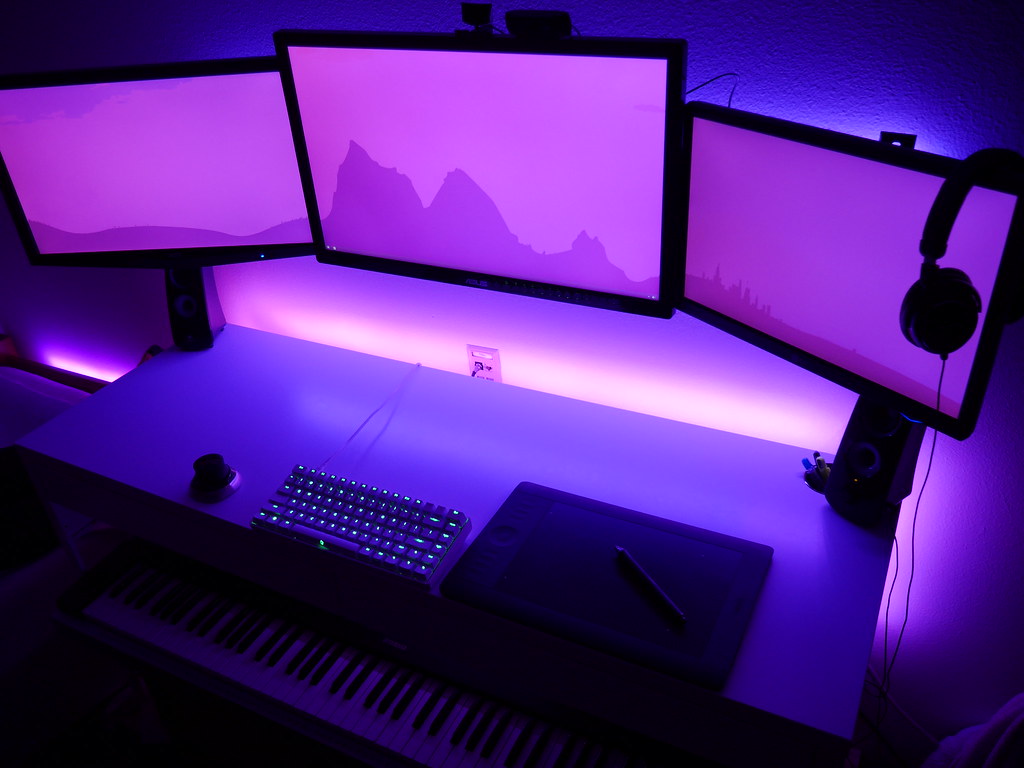
The 3D design workspace is rapidly changing as technology advances. Rayon Design’s recent €10 million funding aims to integrate AI into this evolving landscape.
What is the 3D design workspace?
The 3D design workspace is an innovative environment tailored for designers to create, manipulate, and visualize three-dimensional objects. It combines various tools and technologies that enhance the creative process, allowing artists and engineers to collaborate seamlessly. This workspace typically integrates advanced software solutions that support modeling, rendering, and animation.
In essence, a 3D design workspace serves as a hub where imagination meets technology. It allows users to:
- Create: Build intricate models with precision and detail.
- Collaborate: Work alongside team members in real-time, regardless of their physical location.
- Visualize: Generate lifelike renderings and animations to showcase concepts effectively.
- Iterate: Make quick adjustments and improvements based on feedback.
As the demand for immersive design experiences grows, the evolution of the 3D design workspace continues to play a crucial role in shaping the future of creativity and innovation.
Rayon Design’s funding impact
Rayon Design’s recent funding round of €10 million is poised to significantly impact the 3D design workspace, particularly with the upcoming launch of their Version 4. This new version aims to seamlessly integrate 3D modeling with artificial intelligence, creating a more efficient and innovative design environment for creatives.
The infusion of capital will enable Rayon Design to enhance its tools, providing users with advanced capabilities that streamline the design process. With the convergence of 3D and AI technologies, designers can expect:
- Improved collaboration: Teams can work together more effectively in a shared digital space.
- Automated workflows: Routine tasks can be managed by AI, allowing designers to focus on creativity.
- Enhanced realism: Greater detail and precision in 3D models can be achieved with AI-driven features.
As the 3D design workspace evolves, Rayon Design’s developments are likely to set new standards for what’s possible in creative industries.
Integrating AI into design
As the demand for innovative design solutions continues to grow, integrating AI into the 3D design workspace has become essential for creative professionals. The fusion of artificial intelligence with traditional design tools enables designers to streamline their workflows and enhance productivity.
AI-powered features can analyze vast amounts of data, offering insights that help designers make informed decisions. This integration allows for:
- Automated tasks: Repetitive processes can be handled by AI, freeing up time for more creative pursuits.
- Enhanced collaboration: AI tools can facilitate real-time feedback and communication among team members, regardless of location.
- Personalized design suggestions: By learning from user preferences, AI can propose tailored design elements that align with the specific vision of a project.
As companies like Rayon Design prepare to incorporate these advanced tools into their offerings, the 3D design workspace is set to evolve dramatically, paving the way for unprecedented levels of creativity and efficiency.
Future of design technology
The future of design technology is poised to revolutionize the creative landscape, particularly within the realm of the 3D design workspace. As advancements in artificial intelligence continue to evolve, designers are increasingly benefiting from tools that streamline their workflow and enhance creativity.
Emerging technologies are not just improving traditional design methods but are also creating entirely new possibilities. The integration of AI in the 3D design workspace allows for more intuitive design processes, where algorithms can assist in decision-making and provide real-time feedback. This not only saves time but also encourages innovative approaches to problem-solving.
As we look ahead, it is essential for designers to stay updated on these technological advancements. The following are some anticipated trends:
- Enhanced collaboration: Tools that enable seamless cooperation among teams, regardless of location.
- Automated design assistance: AI-driven features that help automate repetitive tasks.
- Virtual and augmented reality: Increasingly immersive experiences for both designers and clients.
These developments signal an exciting future for the design industry.
Top tools for designers
In the ever-evolving landscape of 3D design, having the right tools is crucial for creative success. The following are some of the top tools that can enhance a designer’s workflow within a 3D design workspace:
- Blender: A powerful open-source tool that offers a range of features for 3D modeling, animation, and rendering.
- Autodesk Maya: Renowned for its advanced features, Maya is widely used in the film and gaming industries for detailed character animation and effects.
- ZBrush: Ideal for sculpting intricate details, ZBrush allows artists to create complex textures and shapes that bring their designs to life.
- SketchUp: User-friendly and versatile, SketchUp is perfect for both beginners and seasoned professionals looking to create 3D models quickly.
- Adobe Dimension: This tool integrates seamlessly with Adobe Creative Cloud, allowing designers to create photorealistic 3D images easily.
Utilizing these tools can significantly enhance creativity and productivity in the 3D design workspace.
By Mr. Riegel via Openverse
References
Nothing Headphone Pro review: The Best Wireless Headphones · EVO-X5 Pro Workstation: Best Proven Performance for Creators · Anthropic Sonnet 5.5: The Smart, Fast Work Partner You Need