



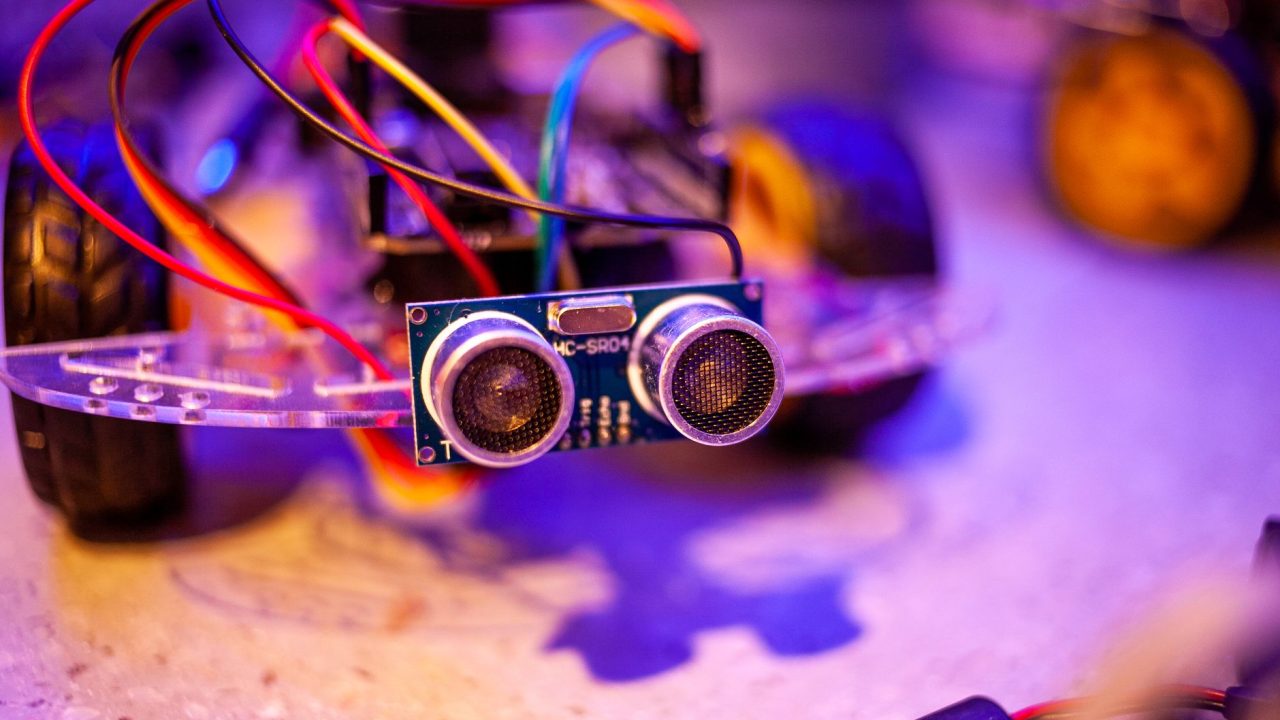


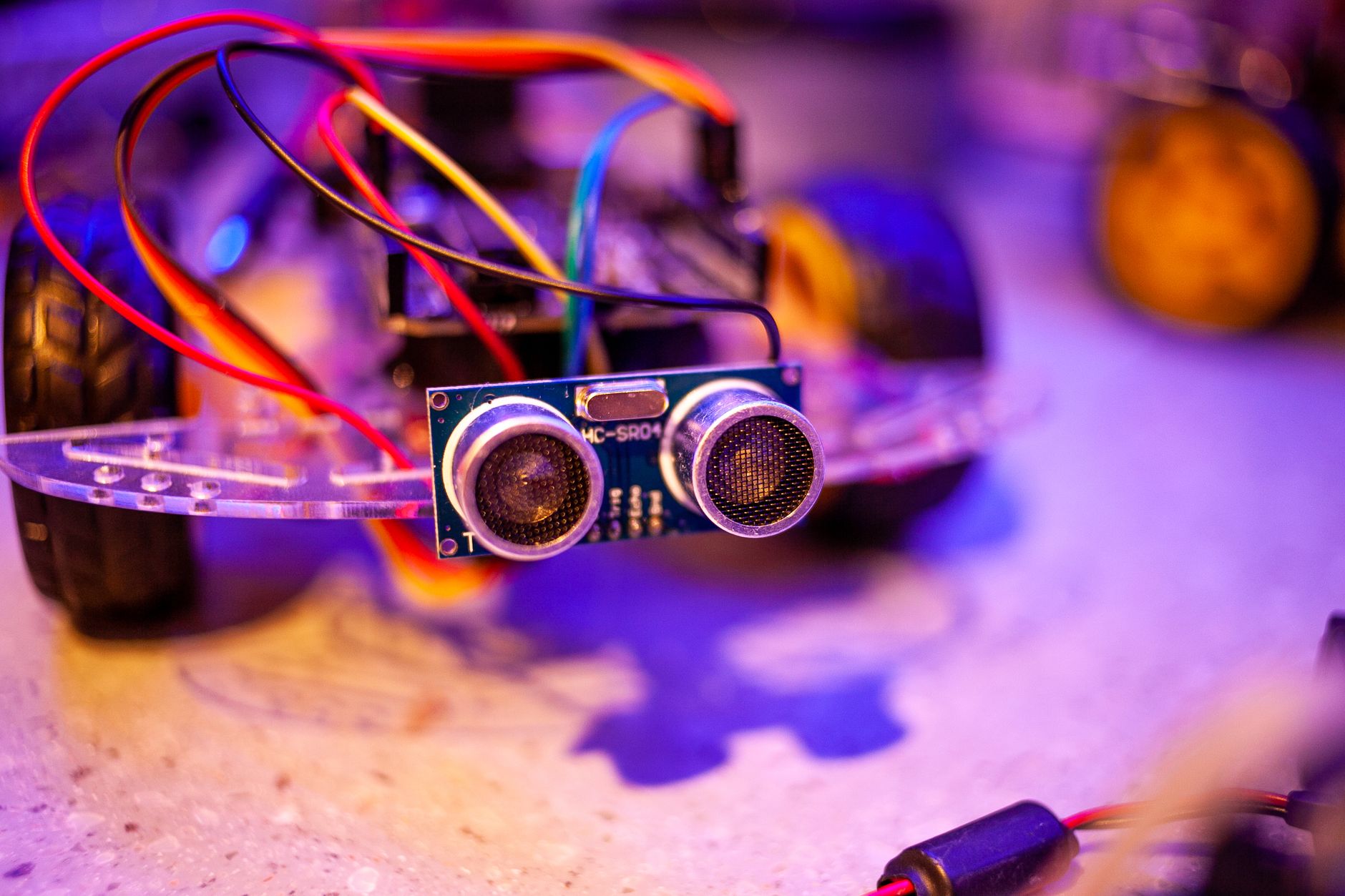
AI sensors for robots are becoming increasingly vital in various sectors. Bharat Semi’s recent funding of $24 million aims to enhance this technology for cameras and drones.
Overview of Bharat Semi’s New Funding
Bharat Semi, a pioneering company in the field of robotics, has successfully raised $24 million in funding to further enhance its development of AI sensors for robots, cameras, and drones. This significant financial boost will enable the company to accelerate its research and bring innovative products to market.
The funding round attracted a diverse group of investors, all of whom recognize the potential impact of Bharat Semi’s technology on various industries. The company has been at the forefront of integrating artificial intelligence into sensor technology, making it a promising player in the robotics sector.
In an interview, the CEO of Bharat Semi highlighted the importance of this funding, stating that it will be instrumental in scaling their operations and enhancing product features. The company aims to develop sensors that not only improve the functionality of robots but also provide enhanced safety and efficiency in their operations.
Investors are particularly excited about Bharat Semi’s commitment to advancing AI-driven solutions. As the demand for intelligent automation continues to rise, the development of sophisticated AI sensors for robots becomes increasingly relevant. These sensors are designed to enable machines to perceive their environment more accurately, which is crucial for applications ranging from manufacturing to autonomous vehicles.
With this new capital, Bharat Semi is positioned to lead the charge in transforming how robots and other automated systems interact with the world around them.
The Importance of AI Sensors in Modern Robotics
The integration of AI sensors for robots has become a pivotal aspect of modern robotics, influencing various industries and applications. As technology progresses, the need for robots to operate autonomously and efficiently has surged, making advanced sensor technology indispensable.
AI sensors provide robots with the ability to perceive their environment, process information, and make decisions in real time. This capability enhances their functionality in tasks such as:
- Manufacturing: Robots equipped with AI sensors can monitor production lines, identify defects, and adapt to changes in the workflow.
- Healthcare: In medical settings, robots use AI sensors to assist in surgeries, manage logistics, and interact safely with patients.
- Logistics: Autonomous delivery robots leverage AI sensors for navigation and obstacle avoidance, ensuring timely and safe deliveries.
The implementation of AI sensors not only boosts efficiency but also contributes to safety. By enabling robots to detect hazards and respond appropriately, these sensors minimize risks in environments that may be dangerous for human workers.
Investing in AI sensor technology is not merely a trend; it is a strategic move that positions companies at the forefront of innovation. As Bharat Semi’s recent funding highlights, the demand for durable and reliable AI sensors for robots, cameras, and drones is on the rise, affirming their status as a transformative force in the robotics landscape.
How AI Sensors Enhance Drone Capabilities
AI sensors for robots are transforming the capabilities of drones, enabling them to perform complex tasks with enhanced precision and efficiency. These advanced sensors utilize machine learning algorithms to process data in real-time, allowing drones to navigate challenging environments autonomously.
One significant advantage of integrating AI sensors is their ability to improve obstacle detection and avoidance. Traditional sensors often struggle in dynamic settings, but with AI-enhanced perception, drones can analyze their surroundings and make quick decisions, reducing the risk of collisions.
Moreover, AI sensors are crucial for tasks requiring high levels of accuracy, such as agricultural monitoring and disaster response. Drones equipped with these sensors can collect and interpret vast amounts of data, enabling farmers to optimize crop yields or assisting rescue teams in locating survivors during emergencies.
- Improved Navigation: AI sensors allow drones to map their environment and adjust flight paths based on real-time conditions.
- Advanced Data Analytics: These sensors provide insights that can lead to better decision-making in various applications.
- Increased Autonomy: Drones can operate independently, reducing the need for constant human intervention.
As companies like Bharat Semi continue to innovate in this space, investing in AI sensors for robots will undoubtedly yield significant returns, enhancing the future of drone technology.
Bharat Semi’s Vision for the Future
Bharat Semi is poised to revolutionize the robotics industry with its innovative approach to AI sensors for robots. With the recent funding of $24 million, the company aims to enhance its technology and bolster its production capabilities. This investment marks a significant step towards making AI sensors more accessible and effective for various applications.
The vision of Bharat Semi is clear: to integrate cutting-edge AI technology into robots, cameras, and drones, allowing for smarter and more efficient operations. CEO Anjali Rao emphasized the importance of combining artificial intelligence with sensor technology, stating, “Our goal is to provide robots with the ability to perceive their surroundings and make informed decisions autonomously.”
Furthermore, Bharat Semi plans to focus on several key areas:
- Enhanced Perception: Developing sensors that can accurately detect and interpret environmental data.
- Real-time Processing: Implementing AI algorithms that allow for instant data analysis, improving decision-making speed.
- Scalability: Ensuring that AI sensors can be integrated into various robotic systems, from industrial machines to consumer drones.
By prioritizing these advancements, Bharat Semi aims to set a new standard in robotics, making AI sensors for robots a critical component of future technological developments. The company’s commitment to innovation positions it as a leader in the market, ready to meet the demands of an evolving industry.
Market Trends in AI Technology
The market for AI sensors for robots is witnessing significant growth, driven by advancements in artificial intelligence and increasing demand for automation across various sectors. As industries strive for greater efficiency and precision, the integration of AI technologies into robotics is becoming essential.
Several key trends are shaping the future of this market:
- Increased Investment: With companies like Bharat Semi securing substantial funding, the development of AI sensors for robots is accelerating. This influx of capital allows for research and innovation, paving the way for smarter and more capable robotic systems.
- Adoption Across Industries: Sectors such as manufacturing, healthcare, and logistics are increasingly adopting robotic solutions, which rely on AI sensors to perform complex tasks. This trend is creating a robust demand for advanced sensor technologies.
- Focus on Customization: As the market matures, there is a growing emphasis on customizable AI sensors that can cater to specific industry needs. This tailored approach enhances the functionality and efficiency of robotic systems.
- Integration with IoT: The convergence of AI sensors with Internet of Things (IoT) technologies is enabling real-time data processing and analysis, further enhancing the capabilities of robots in various applications.
Overall, the trajectory of AI sensors for robots indicates a promising future, as investment and technological advancements continue to transform the landscape of robotics.
Challenges in Developing AI Sensors
The development of AI sensors for robots presents a unique set of challenges that companies must navigate to ensure successful implementation and performance. These challenges stem from various technical, ethical, and economic considerations.
- Technical Complexity: Creating AI sensors that can accurately interpret data in real-time requires advanced algorithms and high-quality hardware. The integration of these components can be a daunting task, often leading to unforeseen technical issues.
- Cost of Development: The financial investment required to research and develop cutting-edge AI sensors can be substantial. Startups like Bharat Semi need to balance innovation with budget constraints, making funding essential.
- Data Privacy Concerns: With AI sensors often collecting vast amounts of data, ensuring privacy and compliance with regulations becomes a critical challenge. Companies must implement rigorous data protection measures to maintain consumer trust.
- Market Competition: As the demand for AI sensors for robots grows, competition intensifies. Staying ahead requires continuous innovation and adaptability to changing market dynamics.
- Integration with Existing Systems: Many robots operate on legacy systems, making it difficult to incorporate new AI sensors. Seamless integration is necessary for maximizing the benefits of advanced technology.
Addressing these challenges is crucial for companies aiming to leverage the potential of AI sensors in robotics, ultimately driving advancements in the field.
What This Means for the Robotics Industry
The integration of AI sensors for robots marks a transformative shift in the robotics industry, paving the way for smarter, more efficient machines. As companies like Bharat Semi secure significant funding to develop these technologies, the implications for the sector are profound.
Firstly, AI sensors enhance the perception capabilities of robots, allowing them to interpret their surroundings more accurately. This leads to improved decision-making processes, whether in manufacturing, logistics, or service industries. Robots equipped with advanced sensors can perform complex tasks with greater precision, thus increasing productivity and reducing operational costs.
Additionally, the implementation of AI sensors is driving innovation in autonomous systems. As robots become more adept at navigating dynamic environments, applications in areas such as agriculture, healthcare, and disaster response are expanding. These advancements not only create new market opportunities but also foster competition among technology providers, stimulating further investment in research and development.
Moreover, the rise of AI sensors contributes to the growing trend of collaborative robotics, where humans and machines work side by side. This synergy enhances workplace safety and efficiency, ultimately leading to a more productive workforce.
In summary, the emergence of AI sensors for robots is set to redefine the landscape of the robotics industry, propelling it into a new era characterized by enhanced capabilities and unprecedented growth potential.
Photo by Lisha Dunlap on Pexels
Read the original
Related reading
- Jio Incoming Calls Policy: Worst Change for Users
- Chinese AI models: The Smart Use of NVIDIA Blackwell
- SpaceX Starship Launch: Worst Booster Recovery Attempt Yet