
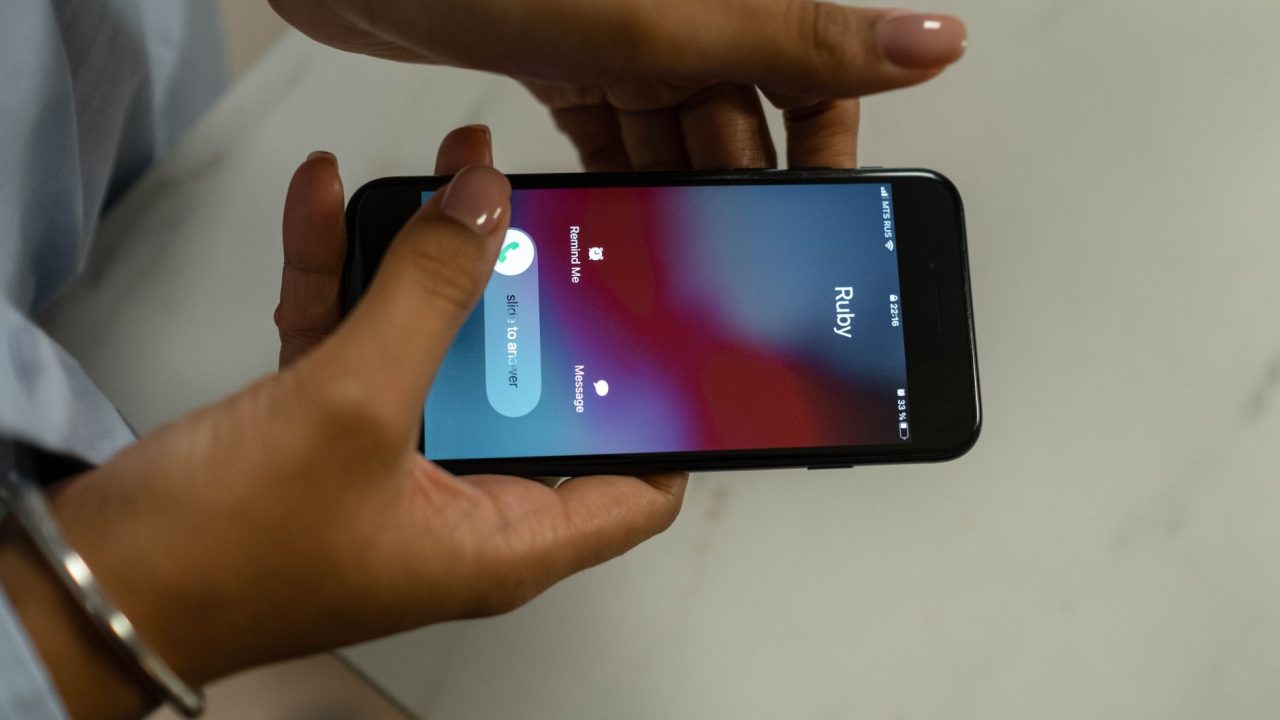





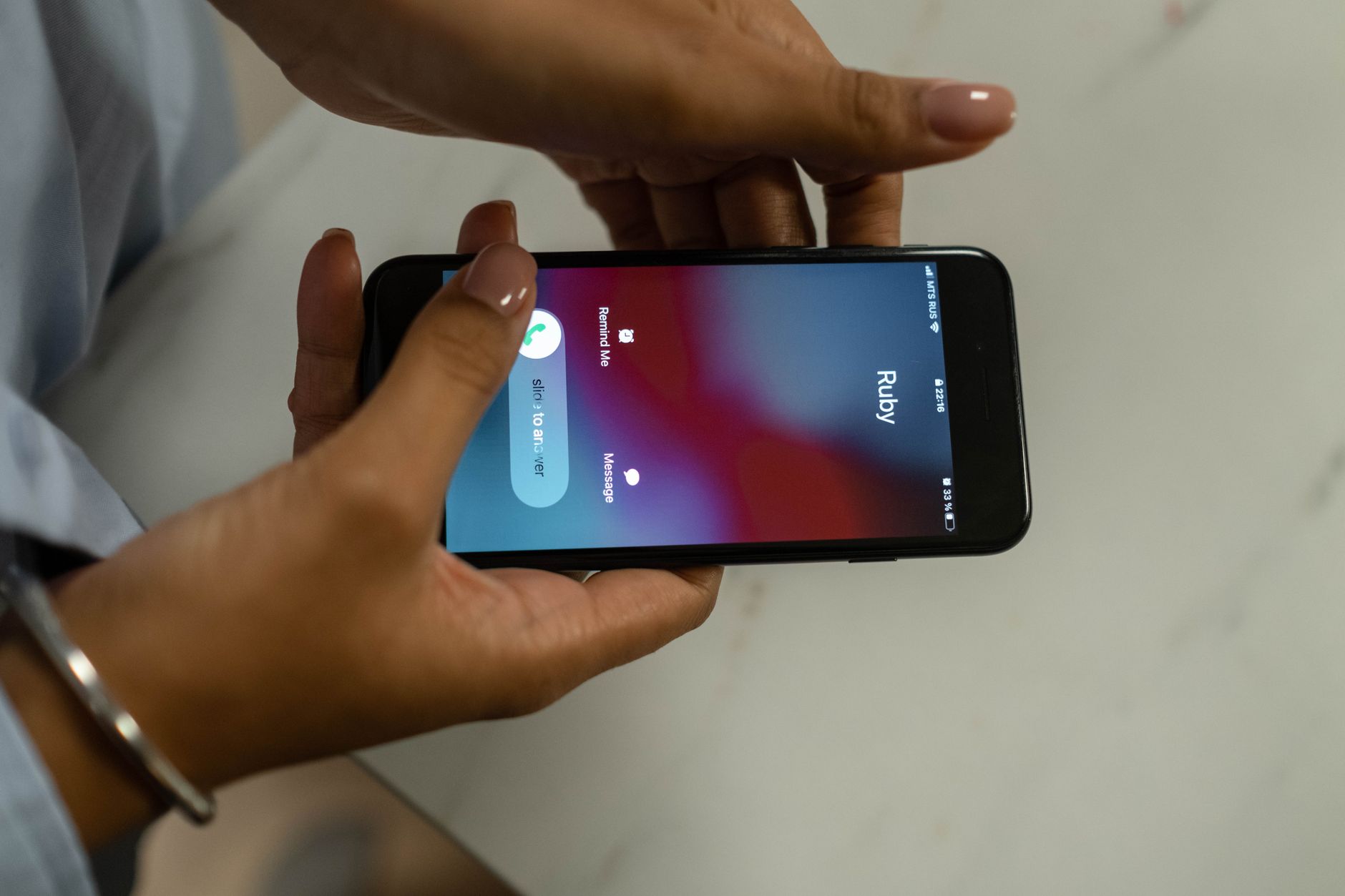
Jio incoming calls policy is set to change, potentially impacting users who do not have an active recharge plan.
Overview of Jio’s New Policy
Jio has recently announced significant changes to its incoming calls policy, raising concerns among its users. The telecom giant, which has garnered millions of subscribers, may soon stop incoming calls on SIM cards that lack an active recharge plan. This decision has sparked a wave of criticism and confusion among customers who rely on their services for communication.
Under the new policy, users will be required to maintain a valid recharge to continue receiving incoming calls. This move is seen as a way to encourage users to stay active on the network, but it raises questions about accessibility for those who may not be able to afford regular recharges.
The implications of this policy could be far-reaching, affecting both individual users and businesses that depend on Jio’s services. Customers have voiced their concerns over the sudden nature of these changes and the potential disruption they could cause.
Jio’s incoming calls policy is a departure from the earlier practices that allowed some leniency for inactive accounts. As this policy unfolds, users are left to wonder how it will impact their communication habits and overall experience with the network.
Impact on Users Without Active Plans
The recent announcement regarding the Jio incoming calls policy has raised significant concerns among users, particularly those without active recharge plans. Many individuals rely on Jio services for their communication needs, and the new policy could severely hinder their ability to receive calls.
With the impending changes, users without an active plan will face the risk of not receiving incoming calls. This shift may impact various demographics, including:
- Students: Many students depend on Jio for affordable communication; losing incoming call access may disrupt important academic communications.
- Senior Citizens: Elderly users often use their phones primarily for receiving calls from family and friends; this policy could isolate them.
- Low-Income Users: Those on a tight budget may struggle to maintain an active plan, affecting their ability to stay connected.
As users face this challenge, many are left questioning the necessity of such a policy and whether it truly serves the best interests of Jio’s customer base. The implications of the Jio incoming calls policy could lead to a significant shift in user satisfaction and loyalty.
Customer Reactions to the Change
In response to Jio’s incoming calls policy changes, customers have expressed their dissatisfaction through various platforms. Many users took to social media to voice their concerns, highlighting the potential inconvenience of losing incoming call capabilities without an active recharge plan.
Some customers emphasized the importance of being reachable, stating:
- “This is a huge setback for those who rely on their phones for communication, especially in emergencies.”
- “I understand the need for business sustainability, but this feels like a step backwards for user experience.”
Others pointed out that this policy could disproportionately affect low-income users who may struggle to maintain an active plan:
- “It’s unfair to cut off service to those who can’t afford frequent recharges. We all deserve to stay connected.”
- “What happens if someone’s phone is their only means of contact? This policy doesn’t consider real-life situations.”
As the discussion continues, it is clear that the Jio incoming calls policy has sparked significant concern among its user base.
Comparison with Other Telecom Providers
The recent changes in Jio’s incoming calls policy have sparked a debate among users, especially when compared to the practices of other telecom providers in India. While Jio has implemented a strict stance, other companies like Airtel and Vodafone-Idea maintain a more lenient approach toward inactive accounts.
Here’s a quick comparison:
- Airtel: Users can still receive incoming calls even without an active recharge plan, ensuring that they remain reachable in emergencies.
- Vodafone-Idea: Similar to Airtel, Vodafone-Idea allows incoming calls for a grace period post-expiry, providing flexibility to users who may not recharge immediately.
- BSNL: Known for its customer-centric policies, BSNL continues to allow incoming calls without an active plan, catering to users who may prioritize budget over frequent recharges.
With Jio’s incoming calls policy tightening, many users are beginning to reconsider their loyalty to the brand. While the company aims to encourage timely recharges, the move has led to dissatisfaction among those who value accessibility above all else.
Possible Alternatives for Users
As Jio’s incoming calls policy raises concerns among users, many are exploring possible alternatives to navigate the new restrictions. Here are some options that users may consider:
- Switching Providers: Users may evaluate other telecom providers that offer more flexible plans, allowing for incoming calls without the need for an active recharge. This could provide a temporary solution while assessing long-term needs.
- Prepaid Plans: Opting for a low-cost prepaid plan can ensure that users maintain connectivity while keeping expenses manageable. Some providers offer plans specifically designed for users who primarily need incoming call capabilities.
- VoIP Services: Utilizing Voice over Internet Protocol (VoIP) services can help users stay connected without relying solely on traditional telecom networks. Apps like WhatsApp or Skype facilitate calls over Wi-Fi or mobile data, offering an alternative communication method.
- Family Plans: Joining a family plan with a provider that offers shared benefits may be an economical option. This allows for shared costs while ensuring that all members have active plans.
While Jio’s incoming calls policy poses challenges, these alternatives may help users maintain their connectivity in an evolving telecom landscape.
Future of Jio’s Services
The future of Jio’s services appears to be uncertain as the telecom giant implements its new incoming calls policy. This decision has sparked widespread concern among users, particularly those who may not have an active recharge plan. With the possibility of incoming calls being restricted, many customers are left wondering how this will affect their daily communication.
As competition in the telecom industry continues to grow, Jio’s approach may push users to reconsider their options. Some industry experts suggest that this policy could lead to a shift in user loyalty, as customers seek providers that offer more flexibility and better value for money. The market is already buzzing with discussions about potential alternatives, with many users exploring plans from competitors that may not impose such stringent restrictions.
Moreover, the long-term implications of this policy change could reshape the landscape of Jio’s customer base. If the incoming calls policy remains in place, it is likely that users will demand changes or seek out other service providers that prioritize customer satisfaction and accessibility. As Jio navigates this challenging transition, the focus will remain on how they address user concerns moving forward.
Conclusion on Jio’s Incoming Calls Policy
In conclusion, Jio’s incoming calls policy marks a significant shift in how users can manage their mobile services. With the new regulations potentially barring incoming calls for those without active recharge plans, many customers find themselves at a crossroads regarding their telecom choices.
The backlash from users emphasizes a growing frustration with what is seen as a restrictive approach to mobile service. Many feel that this policy undermines the principle of accessibility that telecommunications should uphold. The change could lead to an increased churn rate as users explore options with other providers who may offer more flexible plans.
As the telecommunications industry evolves, the implications of Jio’s incoming calls policy could reverberate beyond its immediate user base. Users are urged to consider their needs and the value they receive from their current plans. Alternatives are available, and it is crucial for consumers to stay informed about their options.
Ultimately, Jio’s strategy may drive users to seek better services elsewhere, potentially reshaping the competitive landscape of telecom providers in India.
The recent updates to the Jio incoming calls policy have left many users frustrated and confused. As customers grapple with the implications of the Jio incoming calls policy, they are calling for clearer communication from the company.
Photo by cottonbro studio on Pexels
Read the original
- Chinese AI models: The Smart Use of NVIDIA Blackwell
- SpaceX Starship Launch: Worst Booster Recovery Attempt Yet
- India space defence: Proven strategies to strengthen security