
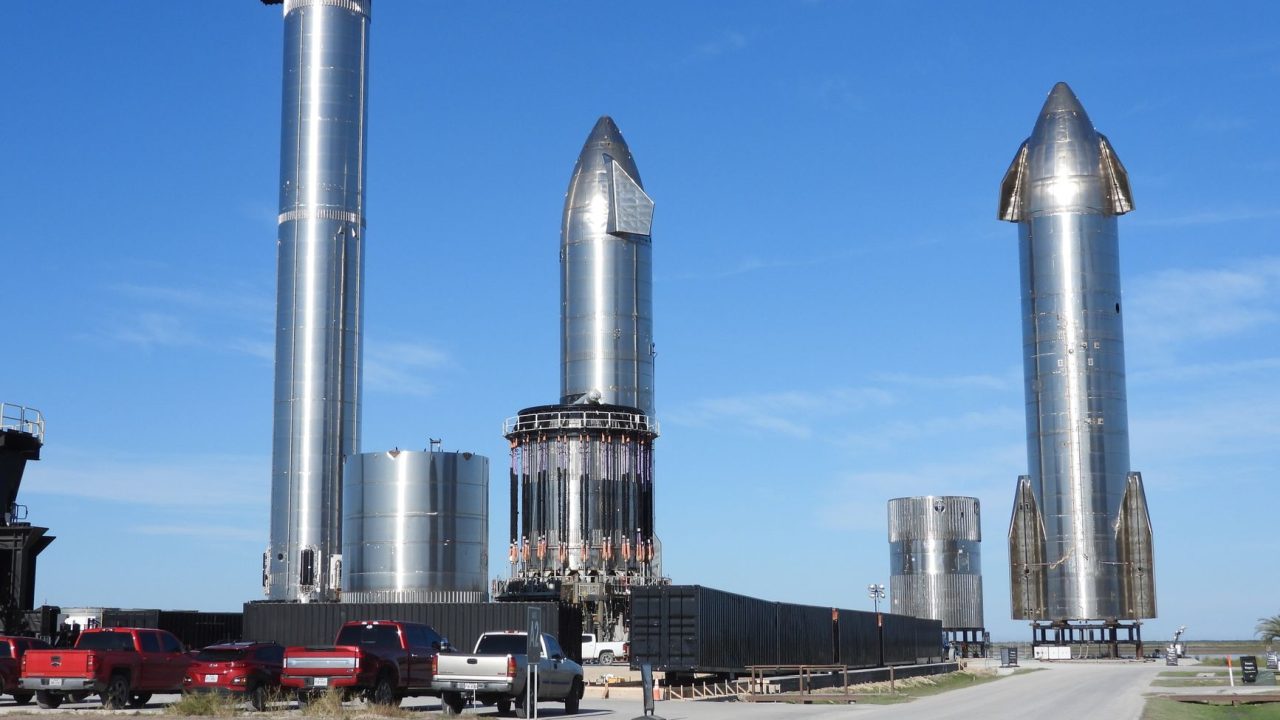





SpaceX Starship launch has brought attention to the difficulties of recovering the booster. Despite the ambitious goals, the latest attempt ended in failure, raising questions about future missions.
Overview of the SpaceX Starship Launch
The recent SpaceX Starship launch marked a significant event in the aerospace community, showcasing both the company’s ambitions and the challenges that come with such groundbreaking endeavors. This launch was particularly noted for its attempt to recover the booster, a crucial step in SpaceX’s goal of reusability and cost reduction in space travel.
On the day of the launch, excitement filled the air as spectators gathered to witness the powerful rocket take off. However, the aftermath revealed that the booster recovery attempt was the worst yet for SpaceX, raising questions about the reliability of their recovery technology.
The launch proceeded smoothly, with the Starship rocket lifting off with impressive force. Unfortunately, as the mission progressed, issues arose during the descent phase. The booster, which is designed to return to a designated landing site, encountered unexpected difficulties that resulted in a failed recovery.
This incident has prompted discussions within the industry regarding the challenges of rocket reusability. Key points of concern include:
- The need for improved landing technology.
- The implications for future missions and timelines.
- The potential impact on investor confidence and public perception.
Despite the setbacks, SpaceX remains committed to refining its technology and pushing the boundaries of space exploration.
Details of the Booster Recovery Attempt
The recent SpaceX Starship launch marked a significant milestone, but it was also marred by a notable failure during the booster recovery attempt. The booster, which is critical for the planned reusability of the spacecraft, faced numerous challenges during its descent.
According to reports, the recovery operation was hampered by unexpected weather conditions. High winds and turbulent seas made it difficult for the recovery ship to maneuver effectively, leading to a chaotic recovery environment.
- Timing Issues: The booster separation occurred as planned, but the recovery team underestimated the time required for the booster to reach the ocean.
- Technical Glitches: Preliminary data indicated that some onboard systems malfunctioned, impacting the booster’s trajectory and stability.
- Environmental Factors: The combination of waves and wind created a challenging situation for the recovery team, as the booster struggled to land accurately on the designated platform.
This attempt is regarded as one of the worst recovery efforts yet for SpaceX. With the company focusing on refining its techniques for future missions, the latest booster recovery incident serves as a learning opportunity. The team is already analyzing the data collected during the SpaceX Starship launch to improve future recovery strategies.
Implications for Future Space Missions
The recent SpaceX Starship launch has raised significant concerns about the future of space missions. The failure to recover the booster during this attempt not only impacts SpaceX’s operational capabilities but also sets a precedent for future endeavors in the rapidly evolving aerospace industry.
Several implications can be drawn from this unsuccessful recovery:
- Financial Impact: The cost associated with building and launching rockets is staggering. A failure like this can lead to increased expenditures and potential delays in ongoing projects.
- Regulatory Scrutiny: A series of setbacks may attract more attention from regulatory bodies. This could result in stricter guidelines and oversight for future launches, complicating timelines.
- Technological Development: The setback highlights the necessity for continuous improvement in booster recovery technology. SpaceX may need to invest more heavily in research and development to enhance reliability.
- Public Perception: Repeated failures could affect public trust and enthusiasm for space exploration. Maintaining a positive image is crucial for garnering support and funding.
In conclusion, while the SpaceX Starship launch showcased innovative advancements, the failure to recover the booster serves as a cautionary tale about the complexities involved in space exploration.
Expert Opinions on the Launch
Following the recent SpaceX Starship launch, experts have shared their insights on the event, particularly focusing on the unsuccessful booster recovery attempt. Many analysts believe that the failure to retrieve the booster represents a significant setback for the company.
Dr. Emily Carter, an aerospace engineer, stated, “This is a crucial moment for SpaceX. The Starship system is designed for reusability, and without successful recovery of the booster, the economic viability of the program comes into question.”
Others, like former NASA astronaut Mark Thompson, expressed a more optimistic view. “While it’s disappointing, each launch provides invaluable data. SpaceX is known for its iterative approach; they will analyze what went wrong and improve for future missions,” he noted.
Industry expert Sarah Lin emphasized the broader implications of the launch. “The SpaceX Starship launch not only aims to send missions to Mars but also to revolutionize space travel. Failures are part of the process, and we must view them as stepping stones toward progress.”
As discussions continue, the consensus remains that while the failed booster recovery is troubling, it is not the end of the road for SpaceX. The lessons learned will be vital for the next stages of the Starship program.
Comparative Analysis with Previous Launches
The recent SpaceX Starship launch has drawn comparisons to previous missions, particularly in terms of booster recovery efforts. In the past, SpaceX has seen varying degrees of success with its booster landings, with some launches resulting in successful recoveries while others faced challenges.
- Previous Successes: The Falcon 9 missions demonstrated a reliable recovery process, with boosters landing safely on both droneships and land-based pads. These successes established a template for future launches and raised expectations for the Starship program.
- First Starship Launch: During its initial test flight, the Starship faced significant hurdles, but the booster recovery was deemed a partial success. The mission provided valuable data, showcasing SpaceX’s resilience and adaptability.
- Recent Failures: In contrast, the most recent attempt at the SpaceX Starship launch resulted in what many are calling the worst booster recovery attempt yet. Issues during the final stages of ascent led to the booster failing to land as planned, raising concerns about the technology’s reliability.
The disparity in recovery outcomes highlights the challenges SpaceX faces as it pushes the boundaries of rocket technology. As the company continues to iterate on its designs, analysts are keenly watching to see how lessons learned from this latest launch might influence future missions.
Public Reaction to the Launch Failure
The recent SpaceX Starship launch has sparked a wave of reactions from the public, many of which express disappointment over the failed booster recovery attempt. Following the launch, social media platforms exploded with opinions, memes, and critiques, reflecting a mix of enthusiasm for the technology and frustration at the mishap.
Supporters of SpaceX were quick to defend the company, emphasizing the innovative nature of their endeavors. Some comments included:
- “Every launch is a step towards better technology!”
- “Failures are just part of the process; look at how far we’ve come!”
However, critics voiced their concerns about the implications of such failures on future missions. A common sentiment among skeptics was:
- “How can we trust SpaceX with human lives if they can’t recover a booster?”
- “This is the worst booster recovery attempt yet; they need to do better!”
Overall, the public reaction highlights a significant divide. While many remain optimistic about the potential of the SpaceX Starship launch program, others question the reliability of the technology and its readiness for more ambitious missions in the future.
Next Steps for SpaceX
Following the recent SpaceX Starship launch and the disappointing failure to recover the booster, the company is evaluating its next steps to improve future missions. With a commitment to innovation and resilience, SpaceX plans to implement lessons learned from this attempt to enhance their recovery strategies.
Key areas of focus for SpaceX include:
- Engineering Adjustments: The engineering team is expected to revisit the design and functionality of the booster recovery system, ensuring that any potential flaws are addressed before the next mission.
- Increased Testing: Additional test flights are planned to rigorously assess the booster’s capabilities under various conditions, aiming to restore confidence in the recovery process.
- Enhanced Monitoring: SpaceX will likely incorporate more advanced telemetry and monitoring systems to gain real-time insights during launches, which could aid in troubleshooting and recovery efforts.
- Community Engagement: To maintain public interest and support, SpaceX is expected to enhance its communication strategies, providing updates on progress and future launches.
As SpaceX prepares for its next mission, the aerospace community is watching closely to see how the company adapts after this setback. The outcome will not only determine the future of their Starship program but also influence the broader landscape of space exploration.
The latest SpaceX Starship launch faced significant challenges during its booster recovery attempt, marking it as the worst yet. Observers noted that despite the setbacks, the SpaceX Starship launch still showcased the company’s commitment to innovation and improvement.
Photo by Ocean Camera Space Corp. on Pexels
Sources
You might also like
- India space defence: Proven strategies to strengthen security
- Test Drive Unlimited Solar Crown: The Best Update Yet!
- Nintendo Black Friday sale: Is It the Best Deal Ever?