
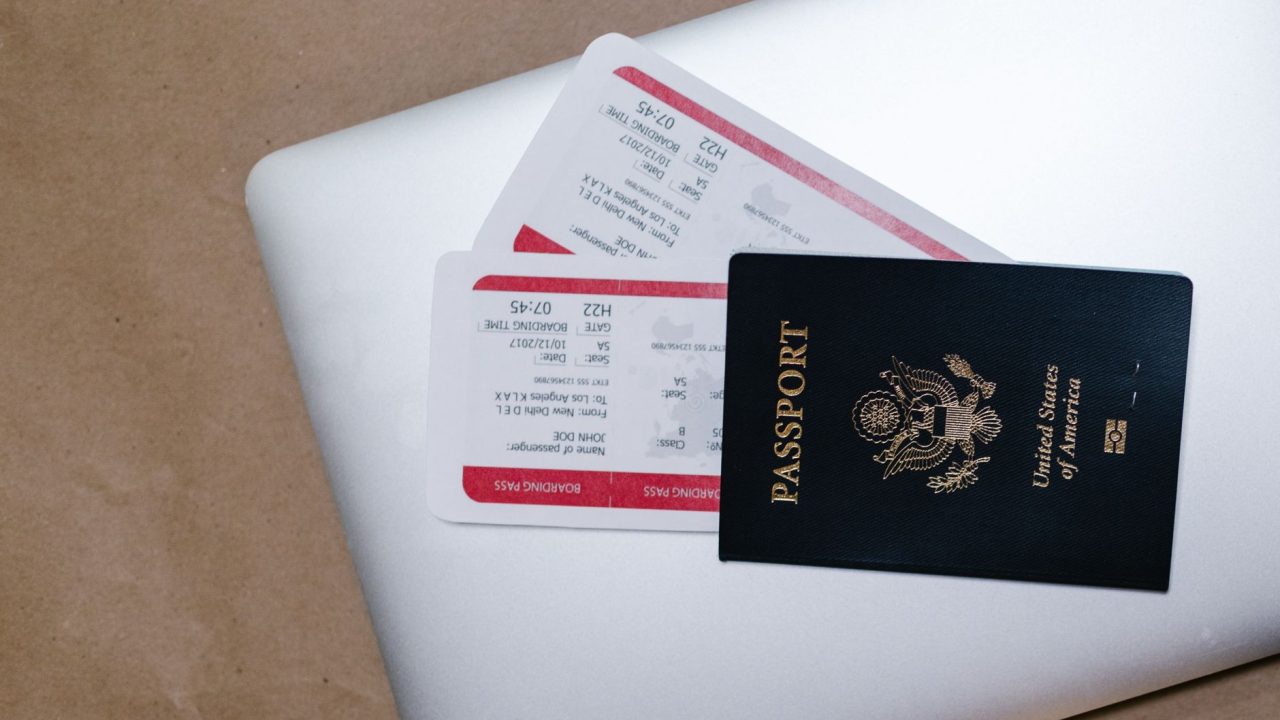





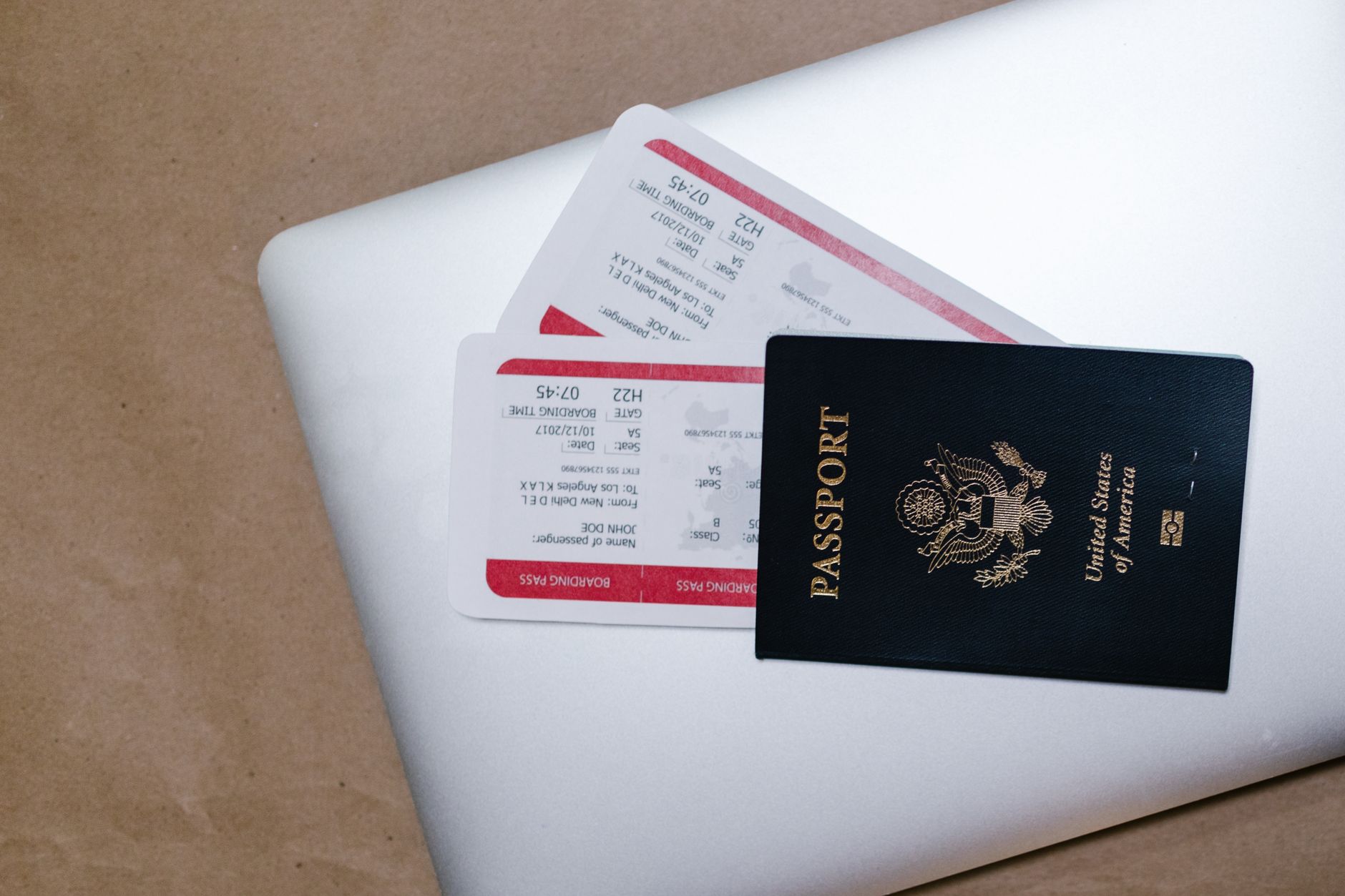
E-passport fees Pakistan have been officially announced by the government, providing essential information for citizens planning to travel abroad.
What are E-passports?
E-passports, or electronic passports, are a modern travel document that incorporate advanced technology to enhance security and streamline the travel process. These passports contain a microchip that securely stores the holder’s personal information, including biometric data such as fingerprints and facial recognition. This technology allows for quicker verification at borders and reduces the risk of identity theft.
The introduction of e-passports in Pakistan aims to improve the efficiency of the passport issuance system and enhance the overall travel experience for citizens. With the recent announcement regarding e-passport fees Pakistan, travelers now have clearer information on the costs associated with obtaining this high-tech document.
Some key features of e-passports include:
- Enhanced Security: The microchip is encrypted to protect personal information.
- Faster Processing: Automated systems can quickly read the data.
- Global Recognition: E-passports are widely accepted around the world.
Why are E-passport fees important?
E-passport fees in Pakistan are crucial for several reasons that impact both travelers and the government. Firstly, these fees help fund the production and maintenance of secure travel documents, ensuring that citizens have access to the latest technology in passport security.
Moreover, understanding the costs associated with E-passports allows travelers to budget effectively for their journeys. With the growing trend of international travel, knowing the E-passport fees can prevent unexpected financial burdens for applicants.
Additionally, the fee structure can reflect the government’s commitment to enhancing border security and improving the overall travel experience. By investing in advanced e-passport technology, Pakistan aims to streamline immigration processes and reduce wait times at airports.
In summary, E-passport fees in Pakistan play a vital role in enhancing national security, facilitating international travel, and ensuring a smooth experience for all travelers.
E-passport fees Pakistan: What you need to know
The recent announcement regarding E-passport fees Pakistan has raised questions among travelers planning their journeys. Understanding these fees is essential for a smooth application process.
The government has outlined a structured fee system for the issuance of E-passports, which varies depending on the passport’s validity period and the applicant’s age. Here are the key details:
- Adults (10 years validity): Approximately PKR 3,000
- Minors (5 years validity): Approximately PKR 1,500
- Urgent processing: An additional fee of PKR 1,000 may apply
It is crucial for applicants to be aware of these costs to avoid any surprises during the application process. Staying informed about E-passport fees Pakistan ensures that travelers can budget accordingly.
How to apply for an E-passport
Applying for an E-passport in Pakistan is a straightforward process designed to facilitate international travel. To begin, individuals must visit the official website of the National Database and Registration Authority (NADRA) to fill out the application form online. Once the form is completed, applicants will need to pay the applicable E-passport fees Pakistan, which vary based on the validity period of the passport.
After payment, applicants should gather the necessary documents, including a copy of their CNIC, photographs, and any additional identification required. It is essential to ensure that all documents are accurate and complete to avoid delays.
Once everything is prepared, applicants can schedule an appointment at the nearest NADRA center for biometric data collection. Following the appointment, individuals can track the status of their E-passport application through the NADRA website.
Comparing E-passport costs with other countries
As Pakistan introduces its E-passport fees, it’s essential to compare these costs with those in other countries to understand their competitiveness. Many nations have already embraced e-passports, and their fee structures vary significantly.
- India: The fee for an e-passport in India is approximately ₹1,500 for a standard application, which is around 3,000 PKR.
- United States: In the U.S., the fee is about $145, translating to approximately 41,000 PKR, making it considerably higher than Pakistan’s rates.
- United Kingdom: The UK charges around £75.50, equivalent to roughly 17,500 PKR.
These comparisons indicate that while E-passport fees in Pakistan are relatively lower than those in many developed countries, they remain competitive with regional neighbors, potentially encouraging more citizens to apply.
Benefits of having an E-passport
Having an E-passport offers numerous advantages for travelers in Pakistan. Firstly, the enhanced security features significantly reduce the risk of identity theft and fraud. E-passports are embedded with a microchip that stores biometric data, making it harder for counterfeiters to produce fake documents.
Additionally, E-passports facilitate smoother travel experiences. With automated border control systems increasingly being implemented worldwide, travelers can enjoy faster processing times at immigration checkpoints. This efficiency is particularly beneficial during peak travel seasons.
Moreover, the digital nature of E-passports allows for real-time updates in case of lost or stolen passports, ensuring travelers can quickly receive assistance. As a result, understanding the E-passport fees Pakistan is essential, as the investment not only enhances security but also streamlines international travel.
Ultimately, the benefits of an E-passport extend beyond convenience, ensuring a safer and more efficient travel experience.
Government’s role in E-passport issuance
The Government of Pakistan plays a crucial role in the issuance of E-passports, ensuring a streamlined process for travelers. By implementing modern technology, it aims to enhance national security and facilitate international travel.
As part of this initiative, the government has set specific E-passport fees in Pakistan, which are designed to cover the costs associated with the production and maintenance of these advanced travel documents. The fees vary depending on the passport’s validity period, with options available for both standard and expedited services.
Moreover, the government is committed to providing clear information regarding these costs, allowing travelers to budget accordingly. This transparency is vital for fostering public trust and encouraging more citizens to transition to E-passports, ultimately contributing to a more efficient travel experience.
Future of passport technology in Pakistan
The future of passport technology in Pakistan is poised for significant advancements as the government continues to invest in modernizing its travel document systems. E-passports, equipped with biometric features, promise enhanced security and streamlined processing for travelers. As the adoption of digital technologies becomes more prevalent, the E-passport fees Pakistan may evolve to accommodate new features and services, potentially making them more accessible to the general public.
Additionally, the integration of mobile technology and online services could simplify the application process, allowing citizens to manage their passport-related needs more efficiently. The government’s commitment to adopting international standards in passport technology will not only improve security but also foster trust among travelers. With ongoing developments, Pakistan is set to align with global trends, ensuring its citizens have access to cutting-edge passport solutions that facilitate international travel.
The E-passport fees Pakistan have been clearly outlined by the government to help travelers budget for their journeys. Understanding the E-passport fees Pakistan is essential for anyone planning to travel internationally.
Photo by RDNE Stock project on Pexels
Read the original
You might also like
- Telangana business environment: Proven policies for growth
- Houthi missile development: Worst use of AI technology revealed
- Dogs Agree with Humans: Proven Insights on Bouba and Kiki