






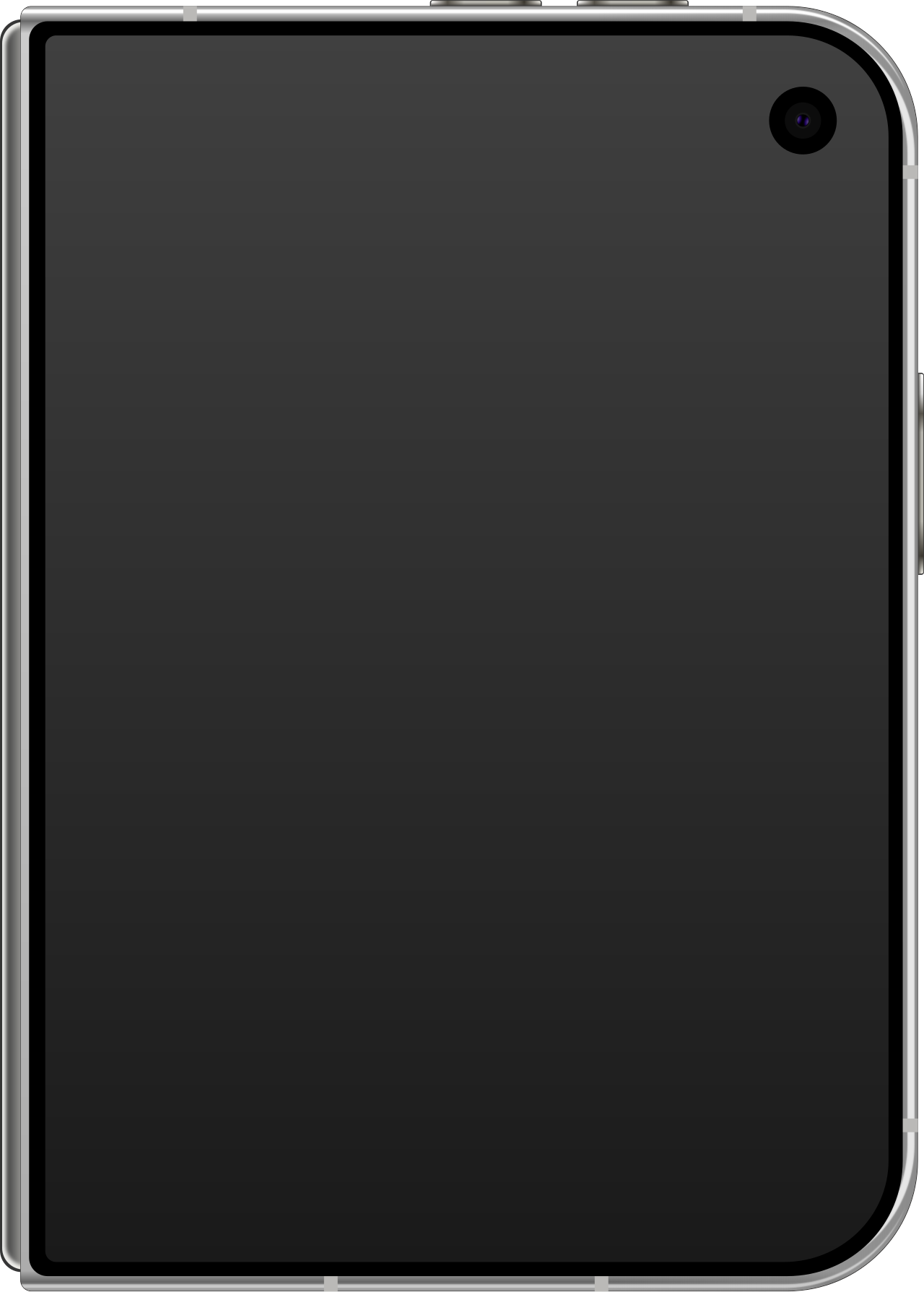
iPhone Fold screen creases are becoming less of a concern as Apple nears a solution to this issue that has plagued competitors. This development could redefine the foldable phone market.
Understanding the iPhone Fold
The iPhone Fold is Apple’s anticipated entry into the foldable smartphone market, aiming to combine functionality with innovative design. As this technology evolves, one of the primary concerns has been the issue of screen creases, which have plagued many existing foldable devices. These creases not only affect the aesthetic appeal but can also hinder usability over time.
Recent leaks suggest that Apple is close to addressing these challenges. The company is reportedly experimenting with new materials and hinge designs that could minimize the appearance of creases on the iPhone Fold’s screen. This innovation promises to enhance durability and provide a better user experience.
Some key points about the iPhone Fold’s development include:
- Material advancements: Apple is exploring flexible displays that resist wear and tear.
- Hinge technology: A new hinge design may allow for smoother operation and reduced crease visibility.
- Consumer feedback: Apple’s commitment to understanding user concerns about screen creases is shaping its design choices.
As the release of the iPhone Fold approaches, many are eager to see if Apple’s solutions can effectively tackle the persistent issue of screen creases.
The issue of screen creases
The issue of screen creases has become a significant concern for users of foldable smartphones, particularly with the anticipated release of the iPhone Fold. As devices that utilize flexible screens, foldables are prone to developing creases where the screen bends. This phenomenon not only affects the aesthetic appeal of the device but can also impact functionality over time.
Many competitors in the foldable market have already encountered challenges with screen creases, leading to customer dissatisfaction. Users have reported that these creases can become more pronounced with regular use, raising questions about the durability of foldable technology. Apple, known for its commitment to quality and user experience, is aware of these issues and is actively pursuing solutions.
While specific details remain under wraps, recent leaks suggest that Apple is nearing a breakthrough in addressing the iPhone Fold screen creases. This could involve innovative materials or engineering techniques designed to minimize the appearance and impact of creases. As anticipation builds for the iPhone Fold, consumers are hopeful that Apple will set a new standard in foldable technology, overcoming the problems that have plagued its competitors.
Apple’s innovative approach
Apple is taking significant strides in addressing the persistent issue of iPhone Fold screen creases. The company has embarked on a groundbreaking research initiative aimed at enhancing the durability and flexibility of foldable displays. By leveraging advanced materials and cutting-edge engineering techniques, Apple is poised to redefine the user experience for foldable smartphones.
Key elements of Apple’s innovative approach include:
- Material advancements: The development of a new type of flexible glass that promises to resist wear and tear better than current offerings.
- Reinforced hinges: A redesign of the folding mechanism to reduce stress at the crease point, potentially minimizing the appearance of creases over time.
- Software optimization: Enhanced software algorithms that can intelligently manage screen pressure and usage patterns to prolong the life of the display.
As competitors grapple with their own challenges related to screen creases, Apple’s focus on innovation could set a new standard in the foldable market. With these developments, consumers may soon enjoy a more reliable and aesthetically pleasing foldable device.
Comparing foldable devices
The world of foldable devices has rapidly evolved, with various manufacturers attempting to address the challenges associated with flexible screens. One common issue, particularly concerning the iPhone Fold screen creases, has been a significant point of contention among users and developers alike. As companies like Samsung and Huawei have launched their foldable models, they have faced scrutiny over the durability of their displays.
Many users have reported visible creases forming on their devices after extended use, which can detract from the overall experience. In comparison, Apple’s innovative approach aims to minimize such flaws, focusing on creating a more resilient design. As Apple works on its foldable technology, industry experts are keenly observing how it will differ from existing models.
Key comparisons between foldable devices include:
- Durability: How well the screen holds up over time.
- Display Quality: The clarity and vibrance of the screen when folded.
- User Experience: The overall functionality and ease of use.
With Apple nearing a solution to the screen creases problem, the anticipation continues to grow among tech enthusiasts and consumers alike.
User expectations for foldables
As consumers eagerly anticipate the release of the iPhone Fold, user expectations for foldable devices have evolved significantly. Customers are increasingly looking for durability and functionality, especially concerning issues like screen creases that have plagued other brands.
When it comes to foldable technology, users expect the following:
- Durability: A primary concern is whether the screen can withstand daily use without developing noticeable creases.
- Performance: Users desire a seamless experience when transitioning between open and closed modes, with no lag or disruption.
- Design: An appealing aesthetic that still feels robust is crucial for consumers drawn to the innovative nature of foldables.
- Value: With premium prices, users expect top-notch quality and features that justify the investment.
As Apple refines its approach to the iPhone Fold, addressing concerns about screen creases will be vital in meeting these user expectations. With potential solutions on the horizon, many remain optimistic about the future of foldable devices.
Future of the iPhone Fold
As the tech industry eagerly anticipates the release of the iPhone Fold, discussions surrounding the device’s potential durability are gaining traction. The prominent concern among potential users is the issue of screen creases, a flaw that has plagued other foldable devices. However, recent leaks suggest that Apple is on the verge of unveiling a groundbreaking solution to this problem.
The future of the iPhone Fold looks promising, as Apple continues to refine its design and technology. According to sources close to the development, the company is exploring advanced materials and innovative hinge mechanisms that could significantly reduce the occurrence of screen creases. This proactive approach may not only enhance the user experience but also set a new standard in the foldable smartphone market.
In addition to improving durability, Apple appears to be focusing on user feedback and expectations. Consumers are looking for devices that not only fold seamlessly but also withstand the rigors of daily use. If successful, the iPhone Fold could redefine perceptions of foldable technology and establish Apple as a leader in this emerging segment.
Expert opinions on screen durability
Experts are weighing in on the long-standing issue of iPhone Fold screen creases, a problem that has plagued many foldable devices since their inception. Dr. Emily Tran, a materials scientist, emphasizes the significance of using advanced materials to enhance durability. “The folding mechanism is inherently challenging, but with the right composite materials, manufacturers can significantly reduce wear over time,” she stated.
Additionally, tech analyst Mark Stevens highlighted Apple’s commitment to innovation. “Apple has always set a high standard for product quality, and their approach to solving the crease issue is likely to redefine market expectations,” he noted. Stevens believes that a successful solution could not only improve user experience but also bolster consumer confidence in foldable technology.
Meanwhile, product designer Lisa Chen expressed mixed feelings regarding current foldable designs. “While the concept is exciting, users are often disheartened by visible creases. It’s crucial for companies to address these issues directly,” she advised. The consensus among experts is clear: overcoming the challenge of screen creases will be essential for the success of the iPhone Fold, and it appears Apple is on the right path to achieve this goal.
Conclusion on Apple’s advancements
As Apple continues to innovate in the realm of foldable technology, the focus remains on addressing significant concerns surrounding the iPhone Fold screen creases. The company’s advancements in materials and engineering practices signal a promising future for users who have been apprehensive about the durability of foldable devices.
Recent leaks indicate that Apple is nearing a breakthrough solution to the screen creases that have troubled competitors in the market. This progress not only showcases Apple’s commitment to quality but also highlights its responsiveness to consumer feedback.
In conclusion, the landscape of foldable smartphones is evolving, with Apple poised to set new standards. The anticipated improvements in the iPhone Fold could lead to a product that not only meets user expectations but exceeds them. Consumers are eager to see how Apple will incorporate advanced technology to mitigate issues like screen creases, paving the way for a seamless user experience.
With a dedicated focus on innovation and user satisfaction, it’s clear that Apple is taking the necessary steps to ensure that the iPhone Fold stands out in a competitive market.
Recent advancements in flexible display technology may provide a breakthrough for addressing iPhone Fold screen creases. As manufacturers test innovative materials, the hope is to eliminate the visibility of iPhone Fold screen creases altogether.
via Wikimedia Commons
Read the original
Related stories
- Private Orbital Launch: A Proven Breakthrough for Isar Aerospace
- Voice AI Startup Funding: Proven Success with Rs 40 Cr Raise
- Jio Satellite Mission: The Smart Challenge to Starlink