





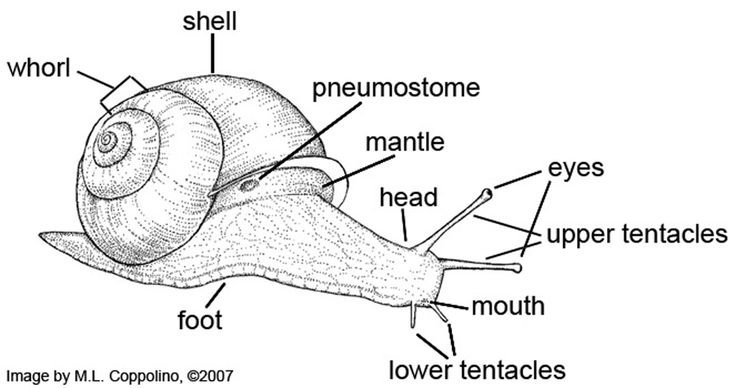
Ever wondered how a snail’s anatomy looks like? The diagram of a snail provides a clear visual representation of its unique structure. From its spiral shell to the muscular foot, each part serves a specific purpose in the snail’s survival. Understanding the diagram of a snail not only enhances our knowledge of these fascinating creatures but also helps appreciate the intricacies of nature’s designs. Let’s delve into the world of snails through their detailed diagram.

The Fascinating World of Snails: Understanding the Diagram of a Snail
Welcome, curious minds, to an exciting exploration into the intricate world of snails! Today, we delve deep into the anatomy and biology of these fascinating creatures through the lens of a diagram of a snail. Let’s embark on this journey together as we unravel the secrets of these slow-moving but incredibly intriguing creatures.
The Body Structure of a Snail
Before we dive into the specifics of a snail’s diagram, let’s take a moment to appreciate the overall body structure of these remarkable gastropods. Snails belong to the mollusk family and have a soft body protected by a hard shell. Their bodies are divided into three main parts: the head, the visceral mass, and the foot.
The Head of a Snail
The head of a snail houses its sensory organs, including a pair of tentacles. These tentacles are equipped with tiny eyes at the tips, allowing the snail to detect light and movement in its environment. Additionally, snails have a mouth located beneath the tentacles, which they use for feeding on a variety of plants and decaying matter.
The Visceral Mass of a Snail
Located behind the head, the visceral mass of a snail contains its organs, such as the heart, digestive system, and reproductive organs. This vital region is protected by the snail’s shell, providing essential support and shelter for its internal functions.
The Foot of a Snail
One of the most distinctive features of a snail is its muscular foot, which it uses for locomotion. This foot secretes mucus, allowing the snail to glide slowly across surfaces with ease. The movement of a snail’s foot is a mesmerizing sight, showcasing the unique adaptation of these creatures to their environment.
Exploring the Diagram of a Snail
Now that we’ve covered the basic body structure of a snail, let’s dive into the specifics of a snail diagram. A detailed diagram can provide valuable insights into the internal and external features of these incredible creatures, offering a glimpse into their fascinating biology.
External Features
On the external side of the diagram, you’ll find the shell, which serves as a protective armor for the snail. The shell comes in various shapes and sizes, depending on the species of the snail. Some shells are smooth and round, while others may be spiral-shaped or adorned with intricate patterns.
In addition to the shell, the diagram will showcase the tentacles of the snail, which play a crucial role in sensory perception. The eyes located at the tips of the tentacles allow the snail to navigate its surroundings and detect potential threats or sources of food.
Internal Organs
Turning our attention to the internal side of the diagram, we can explore the digestive system of the snail. This system includes the mouth, esophagus, stomach, and intestine, where food is processed and nutrients are absorbed. The digestive system of a snail is remarkably efficient, allowing it to extract essential nutrients from a wide range of food sources.
Furthermore, the diagram will highlight the reproductive organs of the snail, showcasing the unique reproductive capabilities of these hermaphroditic creatures. Snails have both male and female reproductive organs, enabling them to reproduce with other individuals of their species.
The Life Cycle of a Snail
Understanding the diagram of a snail can also provide insights into the life cycle of these fascinating creatures. From hatching to adulthood, the life cycle of a snail is a testament to the resilience and adaptability of these gastropods.
Egg Stage
The life cycle of a snail begins with the egg stage, where adult snails lay eggs in moist and protected environments. These eggs hatch into tiny snails, known as juveniles, which gradually grow and develop over time.
Juvenile Stage
During the juvenile stage, snails undergo rapid growth and maturation, feeding on a diet rich in calcium to support the development of their shells. Juvenile snails are vulnerable to predators and environmental hazards, making this stage a critical period in their life cycle.
Adult Stage
As snails reach adulthood, they become reproductively active and may engage in mating behaviors to produce offspring. The adult stage is characterized by the ability of snails to adapt to a wide range of habitats and environmental conditions, showcasing their remarkable survival skills.
Ecological Importance of Snails
While often overlooked, snails play a vital role in maintaining ecological balance and diversity. These creatures serve as food sources for a variety of predators, contributing to the intricate web of life in their ecosystems.
Role in Nutrient Cycling
Snails are important contributors to nutrient cycling, as they consume decaying plant matter and help break down organic material. This process releases essential nutrients back into the soil, enriching the ecosystem and supporting plant growth.
Indicator Species
Due to their sensitivity to environmental changes, snails serve as valuable indicator species for monitoring ecosystem health. By studying the populations of snails in a particular habitat, scientists can gain insights into the overall well-being of the ecosystem.
In Conclusion
As we conclude our exploration of the diagram of a snail, we have gained a deeper understanding of these remarkable creatures and their significance in the natural world. From their intricate anatomy to their essential role in ecosystem functioning, snails continue to captivate us with their unique characteristics and behaviors.
Next time you encounter a snail on your outdoor adventures, take a moment to appreciate the complexity and beauty of these slow-moving creatures. Remember, the world of snails is a fascinating one, filled with wonders waiting to be discovered!
Thank you for joining us on this exciting journey through the world of snails. Stay curious and keep exploring the wonders of nature!
Beginners how to draw a cartoon snail – very easy
Frequently Asked Questions
What are the main parts shown in a diagram of a snail?
A diagram of a snail typically features key parts such as the shell, foot, head, tentacles, and mantle. The shell provides protection, the foot helps in movement, and the head contains sensory organs.
How does the anatomy of a snail contribute to its survival?
The anatomy of a snail plays a vital role in its survival. For example, the shell protects it from predators and harsh environmental conditions. The foot allows the snail to move and feed, while the tentacles help in sensing the surroundings and finding food.
What can be inferred from the size and shape of a snail’s diagram?
The size and shape of a snail’s diagram can indicate its species and provide insights into its habitat and behavior. Larger shells may suggest a mature snail, while certain shapes may hint at its adaptation to specific environments.
Final Thoughts
In conclusion, the diagram of a snail provides valuable insights into its anatomy and physiology. The visual representation highlights the unique features that enable snails to thrive in various environments. Observing the diagram enhances understanding of how a snail’s body functions efficiently. Study and appreciation of the diagram of a snail can deepen our knowledge and appreciation for these fascinating creatures.